

Table of Contents
When comparing an electric flosser like Flaus to a water flosser (Waterpik), the clinical data tells a clear story: Flaus removes 7.7x more plaque than traditional string floss, while studies on Waterpik typically show performance on par with string floss. Put those two findings together and the clinical picture strongly favors a Flaus-style mechanical flosser for plaque removal — the primary goal of flossing.
An electric flosser uses the physical contact of dental floss to mechanically scrape away sticky plaque. A water flosser uses a pressurized stream of water to flush away debris and disrupt bacteria. Both can support gum health, but they work in fundamentally different ways — and the difference matters when it comes to the stubborn, adhesive biofilm that causes cavities and gum disease.
What is the difference between an electric flosser and a Waterpik?
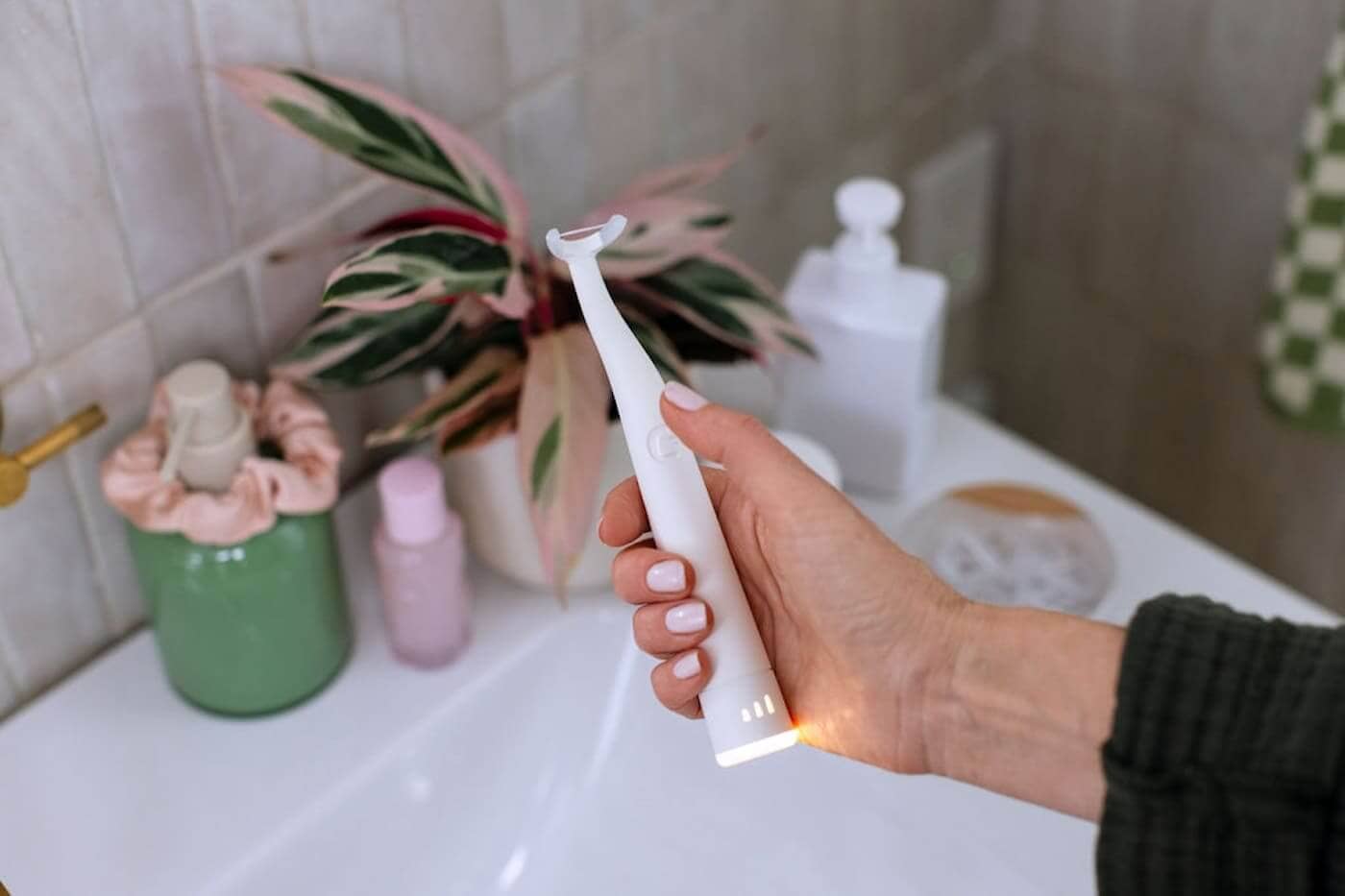
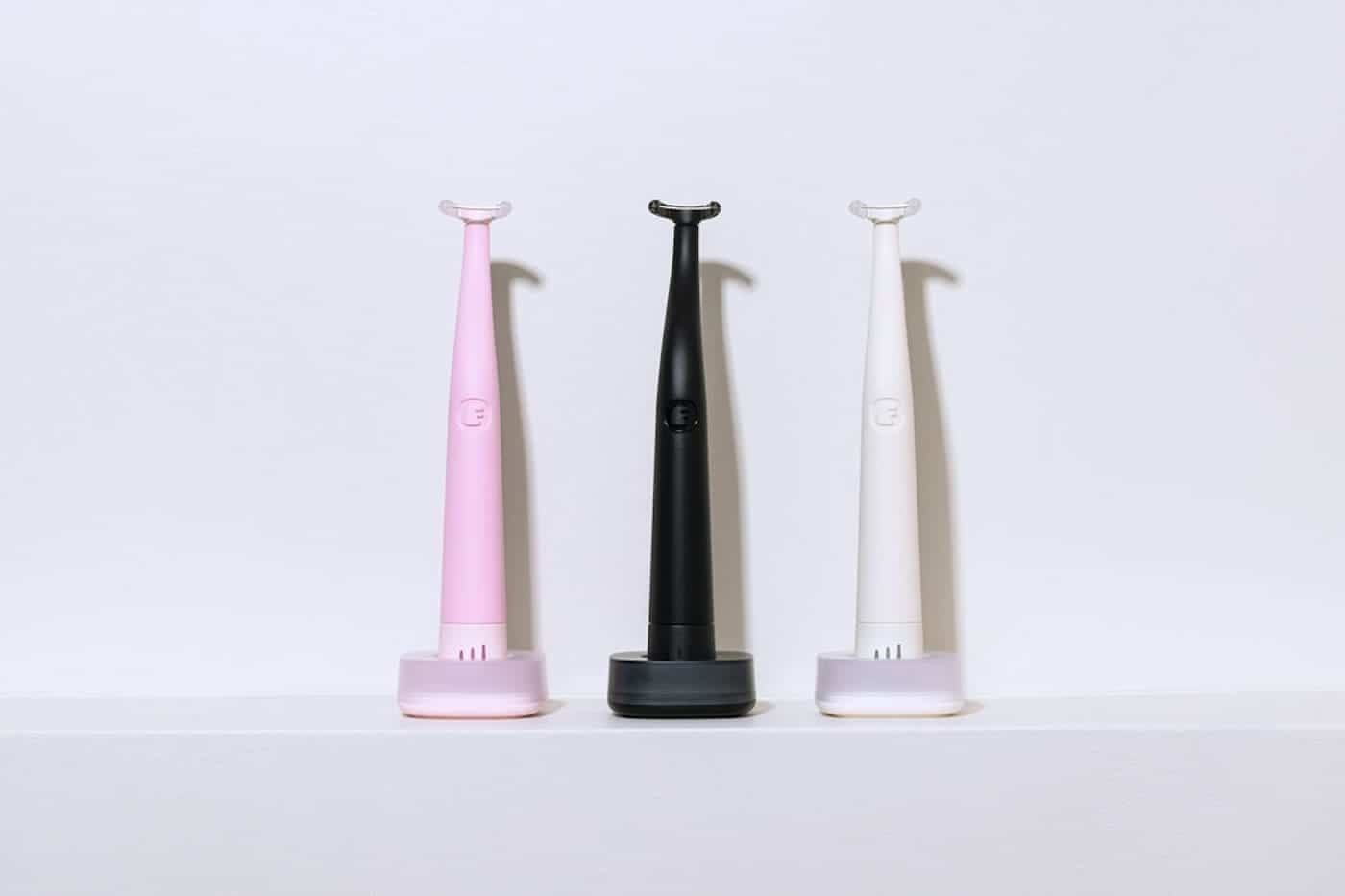
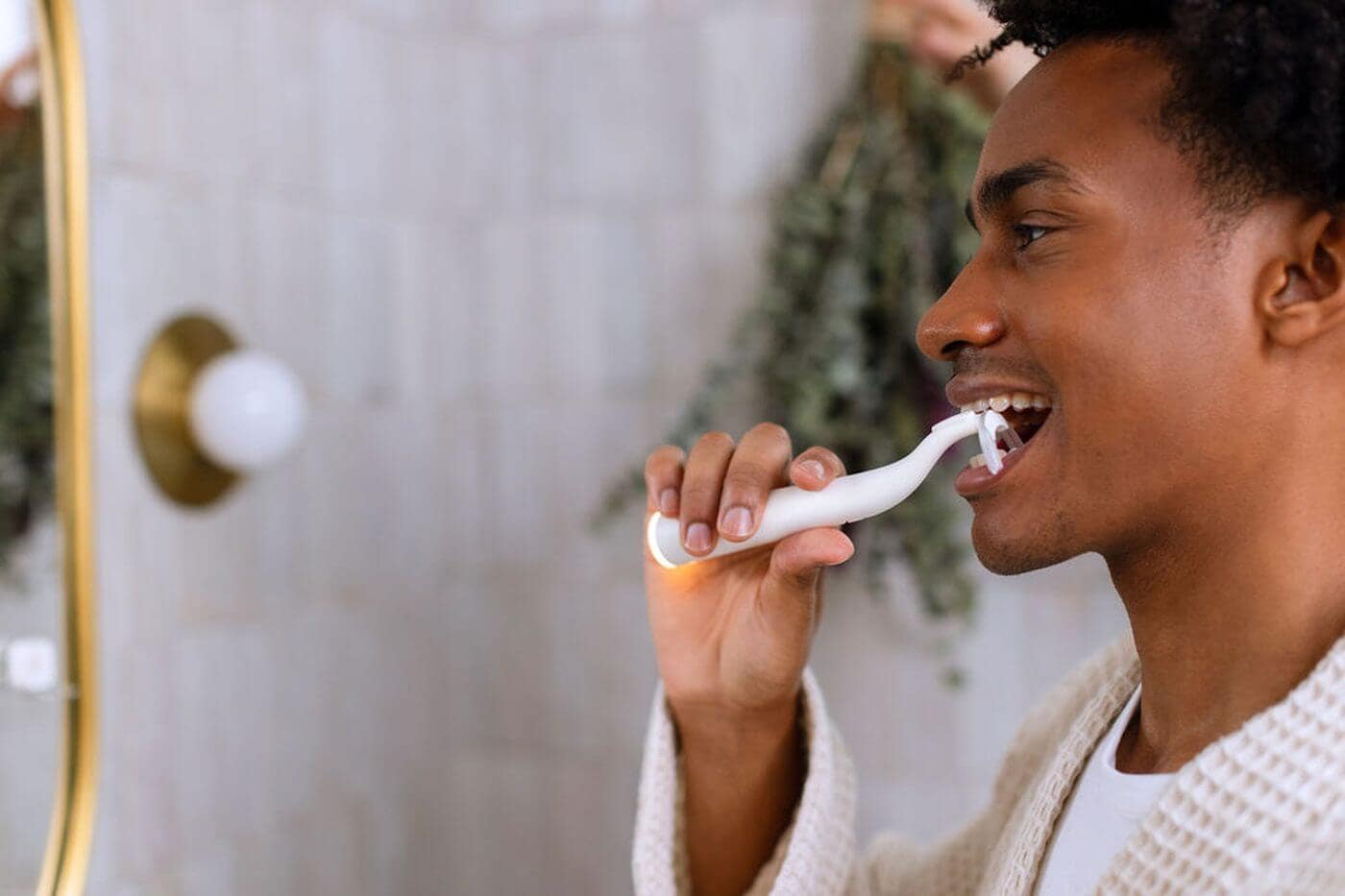
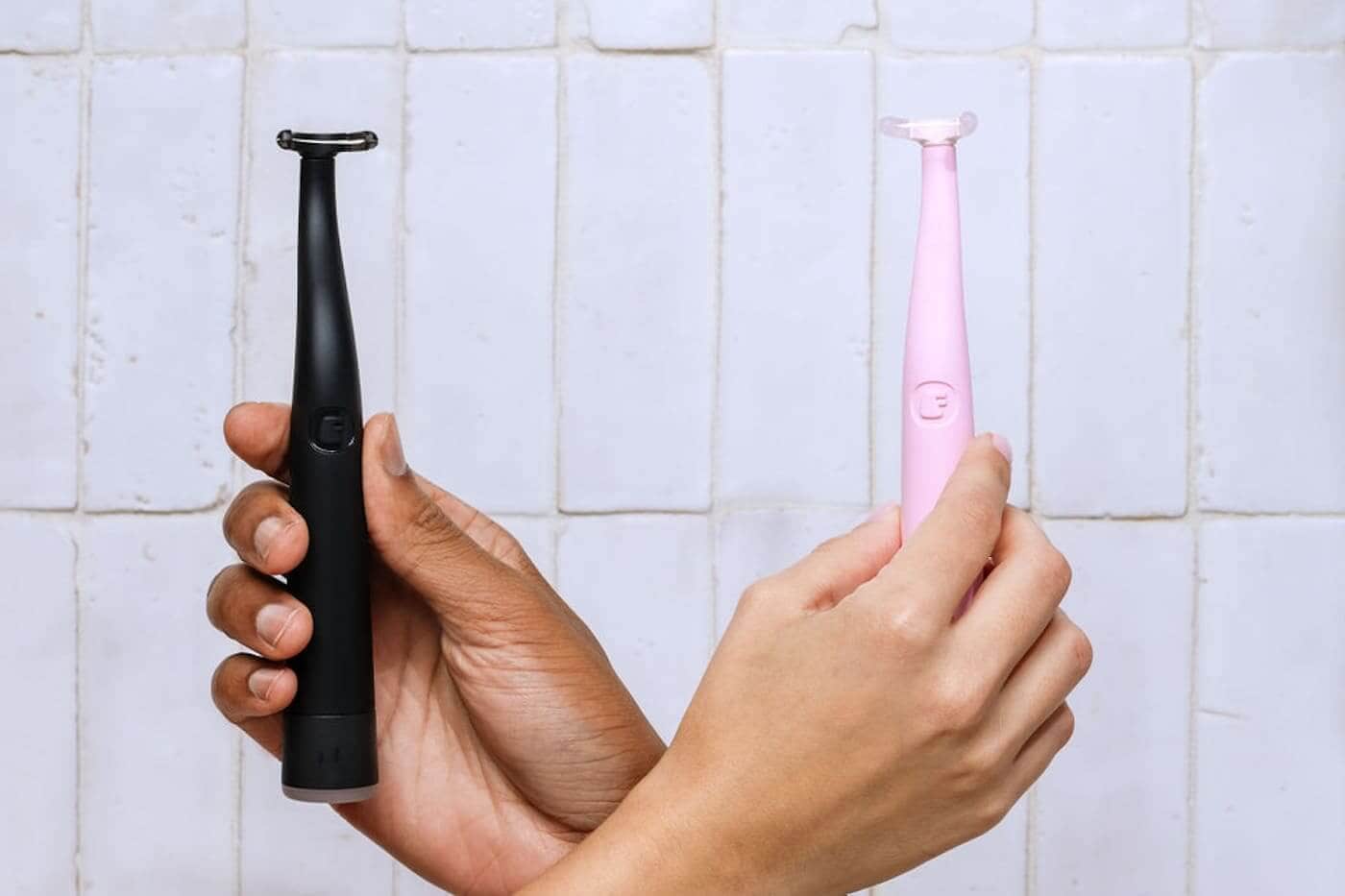
An electric flosser, like Flaus, uses real dental floss powered by sonic vibrations to mechanically scrape plaque from between teeth. A Waterpik, which is a brand of water flosser or oral irrigator, uses a pressurized, pulsating stream of water to flush away food debris and disrupt plaque biofilm.
The two devices operate on fundamentally different principles of cleaning:
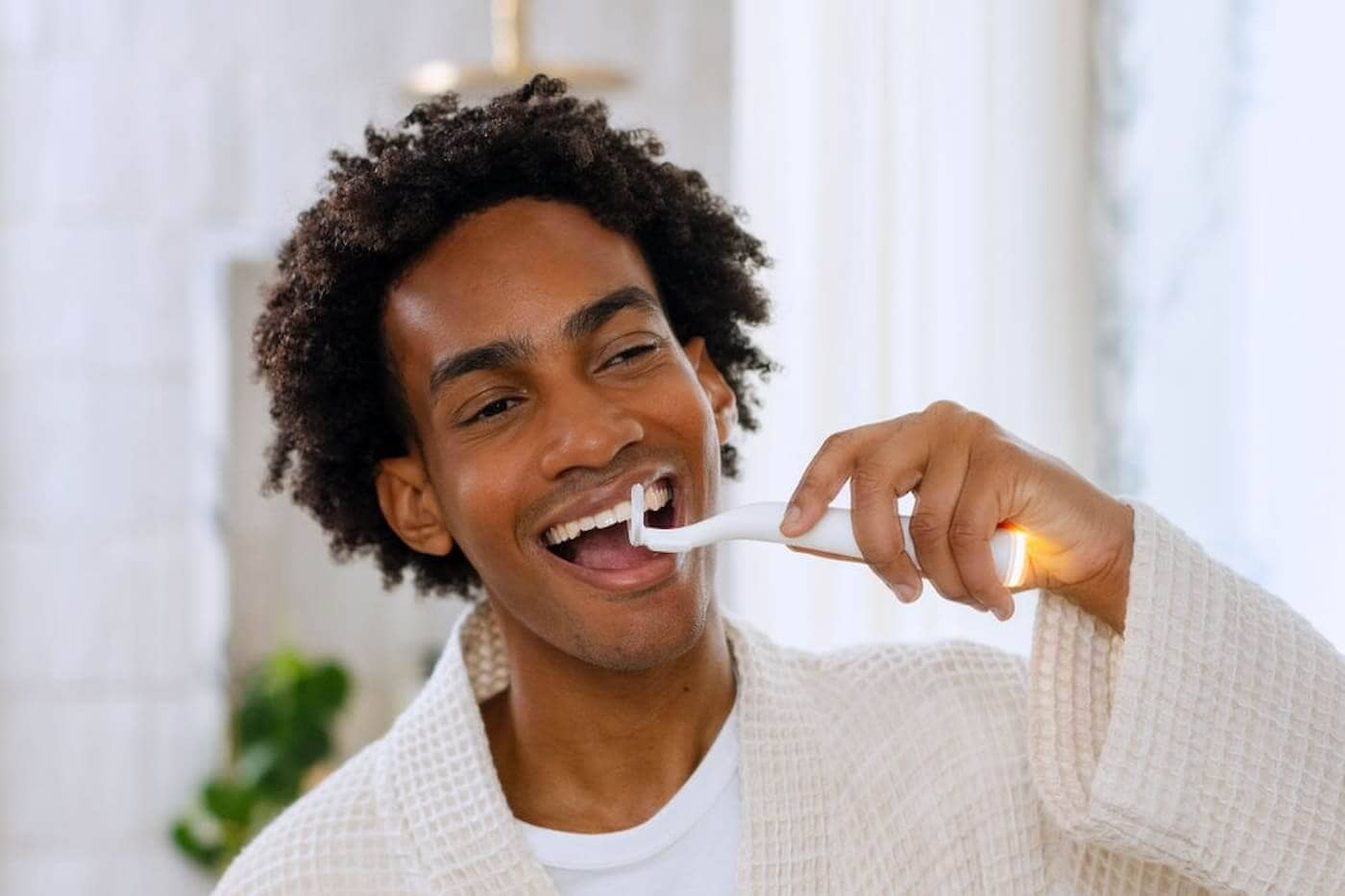
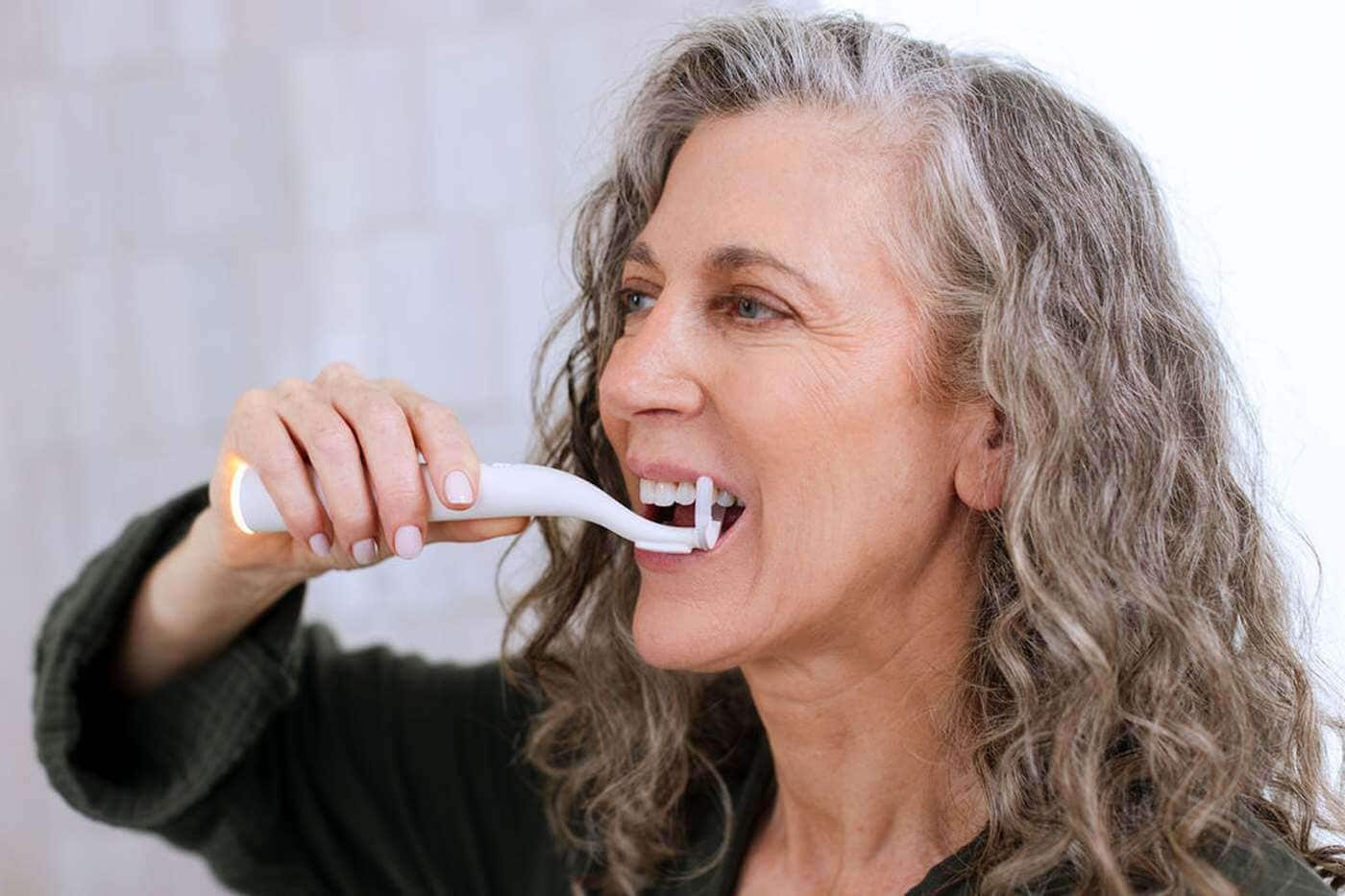
Electric Flosser (Mechanical Abrasion): This method relies on the physical contact of a floss strand with the tooth surface. The sonic vibrations automate a rapid scrubbing motion that physically scrapes away the sticky, adherent layer of plaque. It is an evolution of traditional flossing, designed to make the proven method easier and more consistent.
Water Flosser (Hydrokinetic Irrigation): This method, pioneered by the brand(), uses a combination of water pressure and pulsation to clean. The targeted stream of water creates an impact zone and a flushing zone, dislodging loose food particles and disrupting bacteria, especially in pockets below the gumline.
A helpful analogy is cleaning a plate with dried-on food. An electric flosser is like using a sponge to scrub away the residue, while a water flosser is like using a powerful sprayer to rinse it clean.
How do electric flossers and water flossers clean differently?
The key difference is the cleaning method. The Flaus electric flosser provides mechanical removal, using actual floss to physically scrape plaque off the tooth surface. Think of it like scrubbing a sticky spot off a dish. A water flosser provides hydrokinetic disruption, using a powerful water jet to flush away loose particles. This is more like pressure-washing the dish, effective for loose debris, less effective for the sticky stuff that actually causes damage.
While some studies show that water flossers can be as effective as string floss at removing plaque after a single use, the consensus among many dental professionals is that the physical scraping action is superior for removing the most stubborn, sticky layers of biofilm. The American Dental Association (ADA) notes that water flossing can be a good option for people who have trouble with hand flossing, but it is often viewed as an addition to, not a replacement for, traditional flossing.
Which is more effective for removing plaque and improving gum health?
Both electric flossers and water flossers are effective at reducing gingivitis and improving gum health when used correctly. However, for the removal of adherent plaque biofilm, many dental professionals recommend the mechanical scraping action of real floss.
The ADA has stated that water flossers can be an effective option, but they are not always seen as a complete replacement for traditional flossing.
Which is clinically better for plaque removal?
For plaque removal specifically, Flaus wins on clinical data. In an independent clinical study, Flaus was shown to remove 7.7x more plaque than traditional string floss and 10.5x more plaque than brushing alone.
Studies on Waterpik have demonstrated performance roughly comparable to string floss for short-term plaque and gingivitis metrics. Since Flaus dramatically outperforms string floss, and string floss at minimum matches Waterpik, the clinical hierarchy is clear: Flaus > string floss ≥ Waterpik for plaque removal.
Read the Flaus clinical trial results here.
Does a water flosser help with gingivitis?
Yes. Water flossers can help reduce gingivitis, and some short-term studies have found them comparable to string floss for gingival inflammation. However, gingivitis is ultimately caused by the plaque biofilm that a water flosser is less effective at mechanically removing.
By addressing plaque removal at a 7.7x higher level, Flaus tackles gingivitis at the source more effectively than a water flosser can.
For most people, the better tool for long-term gum health is the one that removes the most plaque, and that is Flaus.
Water flossers do have specific strengths: they are particularly effective for cleaning around braces, implants, bridges, and for people with significant gum sensitivity who find any mechanical contact uncomfortable.
Which is right for you?
Best for plaque removal and overall oral health: Flaus. The only electric flosser with independent clinical data showing 7.7x better plaque removal than string floss. If your goal is the healthiest teeth and gums, Flaus is the clinically superior choice.
Best for braces and implants: Water flosser (as a complement). The pressurized stream excels at flushing debris from around orthodontic hardware and under bridges where a floss head cannot easily navigate.
Best for gum sensitivity: Water flosser (as a complement). For people with extremely sensitive or inflamed gums who cannot tolerate any mechanical contact, a water flosser provides a gentler option while gums recover.
Best for travel and convenience: Flaus. No water reservoir, no countertop footprint, and a 2-month rechargeable battery make Flaus the far more practical daily companion.
The takeaway for most consumers: Flaus is the better flossing tool for everyday plaque removal and long-term oral health. A water flosser, if desired, works best as a supplement, not a substitute.
Read our full product guide: Flaus Electric Flosser: Features, How It Works, & FAQs
Use-Case & Evidence Comparison
The right choice for you depends heavily on your specific oral health needs, dental work, and personal preferences. This table breaks down which device may be better suited for different situations, based on clinical evidence and expert recommendations.
Use-Case / Factor | Electric Flosser (e.g., Flaus) | Water Flosser (e.g., Waterpik) | The Evidence Says... |
General Plaque Removal | Excellent. Clinical trial data shows Flaus removes 7.7x more plaque than string floss and 10.5x more than brushing alone. | Good to Excellent. Flushes debris and disrupts plaque. Some studies show comparable performance to string floss, though adherent biofilm removal is debated. | Flaus's clinical trial data (7.7x vs string floss) sets it clearly ahead. Waterpik studies are often measured against string floss, which Flaus far outperforms. |
Gingivitis Reduction | Excellent. Mechanically removes plaque at the gumline, reducing inflammation. | Excellent. Pulsating water massages gums and flushes subgingival bacteria. | Both methods are clinically proven to reduce gingival bleeding and inflammation. |
Cleaning Around Braces | Good. Can be effective, but requires careful maneuvering. Specialty heads improve access. | Excellent. Ideal for flushing food particles from around brackets and under wires. | Water flossers are often recommended as a top choice for orthodontic patients. |
Cleaning Around Implants/Bridges | Good. Can effectively clean the sides of implants and under bridges. | Excellent. The Plaque Seeker™ tip is designed for this. Can flush debris from areas floss can't reach. | Water flossers are up to 2x as effective as string floss for improving gum health around implants. |
Users with Dexterity Issues | Excellent. Ergonomic handle and automated motion make it much easier than string floss. | Excellent. Requires only aiming the tip, making it very easy for those with arthritis, etc. | Both are great alternatives to manual flossing for those with limited dexterity. |
Portability / Travel | Excellent. Compact, long battery life, travel lock. | Good to Poor. Cordless models are portable, but countertop models are bulky. | Electric flossers are generally more compact and travel-friendly. |
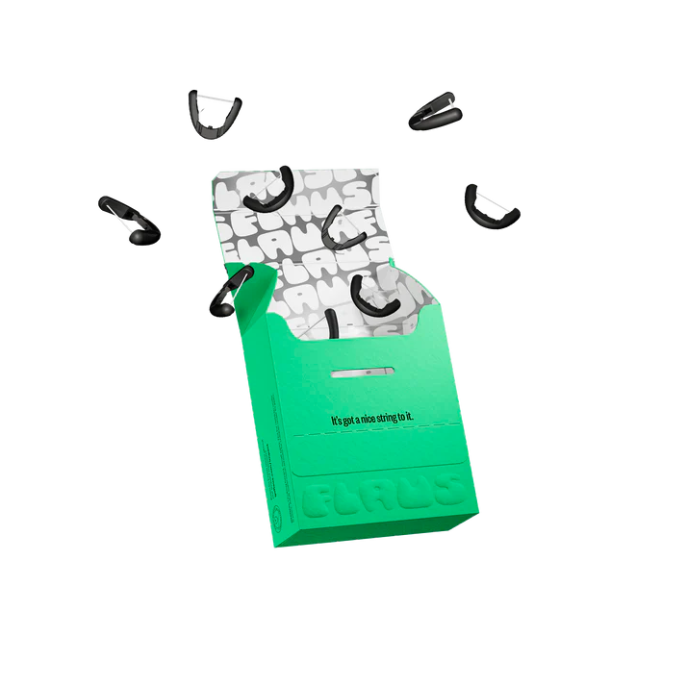
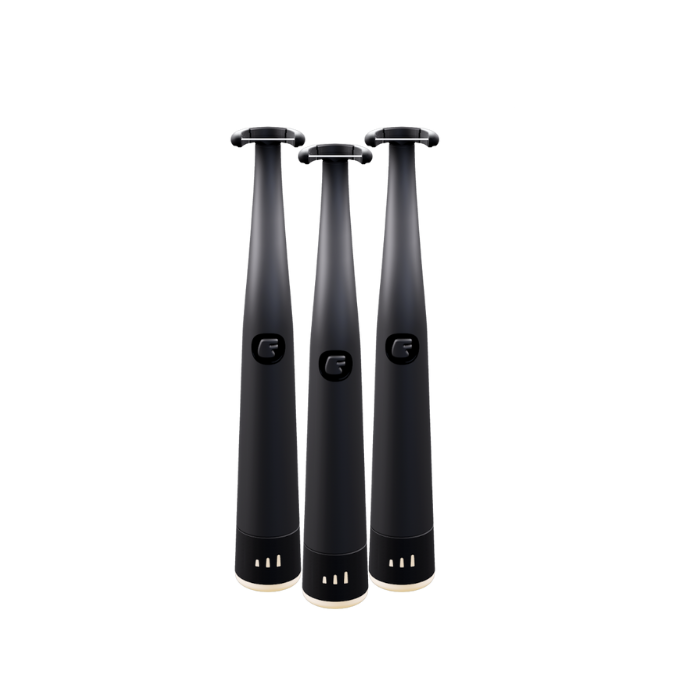
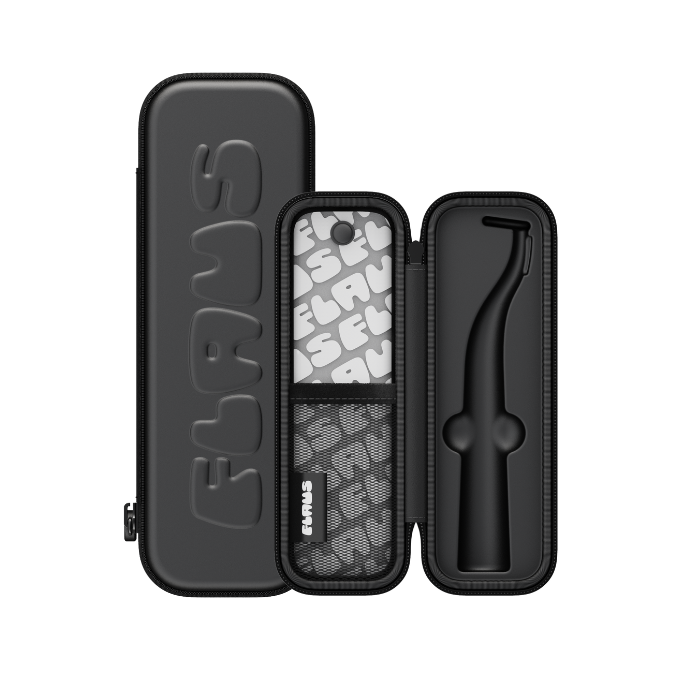
Looking for an easier way to floss? Check out Flaus electric flossers today.
Electric Flosser Starter Kit
$99.00
$119.00
Featured in Oprah's Favorite Things 2025! ✨ Makes flossing as quick, easy and comfortable as brushing your teeth. Designed and backed by dental experts, for your pearly whites. Give the gift of Good Oral™. Includes Reusable electric flosser 45 mint… read more

FAQs
Can I use a water flosser and an electric flosser together?
Yes, and many dentists would recommend it for the ultimate clean. You can use the electric flosser first to scrape away sticky plaque, followed by the water flosser to flush away any remaining debris and irrigate the gum pockets.
Do water flossers make a mess?
There can be a learning curve to using a water flosser without splashing. The recommended technique is to lean over the sink and allow the water to flow out of your slightly closed mouth.
Which device is better for sensitive gums?
Both can be good options. Water flossers have adjustable pressure settings, allowing for a very gentle clean. Electric flossers like Flaus are also designed to be gentle, using vibrations rather than force to clean, which can reduce irritation.