


Table of Contents
With nearly half of adults aged 30 or older showing signs of gum disease, effective interdental cleaning is more important than ever. This is why dentists recommend Flaus: to help people build better dental habits and avoid gum disease.
What do Flaus's clinical trials show?
Flaus is the only electric flosser to have completed independent clinical trials. The results are significant:
- Flaus removes 7.7x more plaque than traditional string floss
- Flaus removes 10.5x more plaque between teeth than brushing alone
- The sonic vibrations break down biofilm and bacteria before the floss even makes contact, which is why the numbers are so significant
These results come from an independent clinical study titled "The Evaluation of Interdental Plaque Removal Efficacy of Flaus® Electric Flosser compared to Brushing Alone and String Floss," conducted by SLS Clinical Research Consulting. No other electric flosser has published comparable data. Read the full clinical trial results here.
What is the primary goal of flossing?
The primary goal of flossing is to mechanically remove dental plaque and food debris from the surfaces between teeth and just under the gumline. These are areas where a toothbrush cannot reach, and removing this plaque is critical for preventing gingivitis (gum inflammation), periodontal disease, and cavities.
Your toothbrush is an excellent tool for cleaning the front, back, and top surfaces of your teeth. However, its bristles cannot effectively clean the tight spaces between your teeth, known as interproximal surfaces. This is where plaque, a sticky, colorless biofilm of bacteria, thrives on food particles.
If not removed daily, this plaque can lead to gingivitis, which is characterized by red, swollen, or bleeding gums.
Gingivitis is the earliest stage of gum disease and is reversible with proper oral hygiene. If left untreated, it can advance to periodontitis, a more serious condition that can damage the bone and tissues supporting your teeth.
Why do so many people fail to floss effectively?
Many people don't floss daily because it's difficult, time-consuming, or uncomfortable, especially if they have tight teeth, crowns, or dexterity issues. Studies show that even among those who do floss, improper technique can limit its effectiveness and even damage gum tissue.
The dental community has long recognized that patient adherence is the biggest hurdle in interdental care. National surveys show that only about a third of U.S. adults floss daily, and a significant portion never flosses at all. The common barriers are often physical and technical. Many find it hard to wrap the floss correctly, reach their back molars, or use the proper "C-shape" technique without causing their gums to bleed or feel sore.
This creates a paradox: the clinical evidence supports interdental cleaning, but its real-world benefits are often diminished by low adherence and incorrect use. For dentists, the best oral hygiene tool is not just the one that is most effective in a lab setting, but the one their patients will actually use correctly and consistently every day.
How does Flaus address these common flossing challenges?
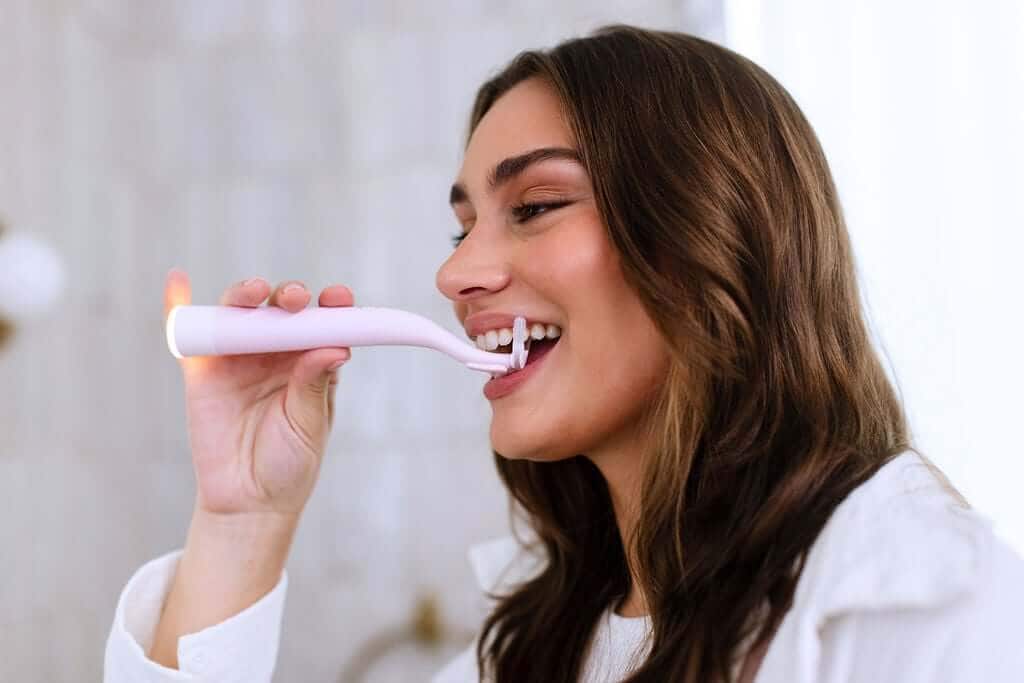
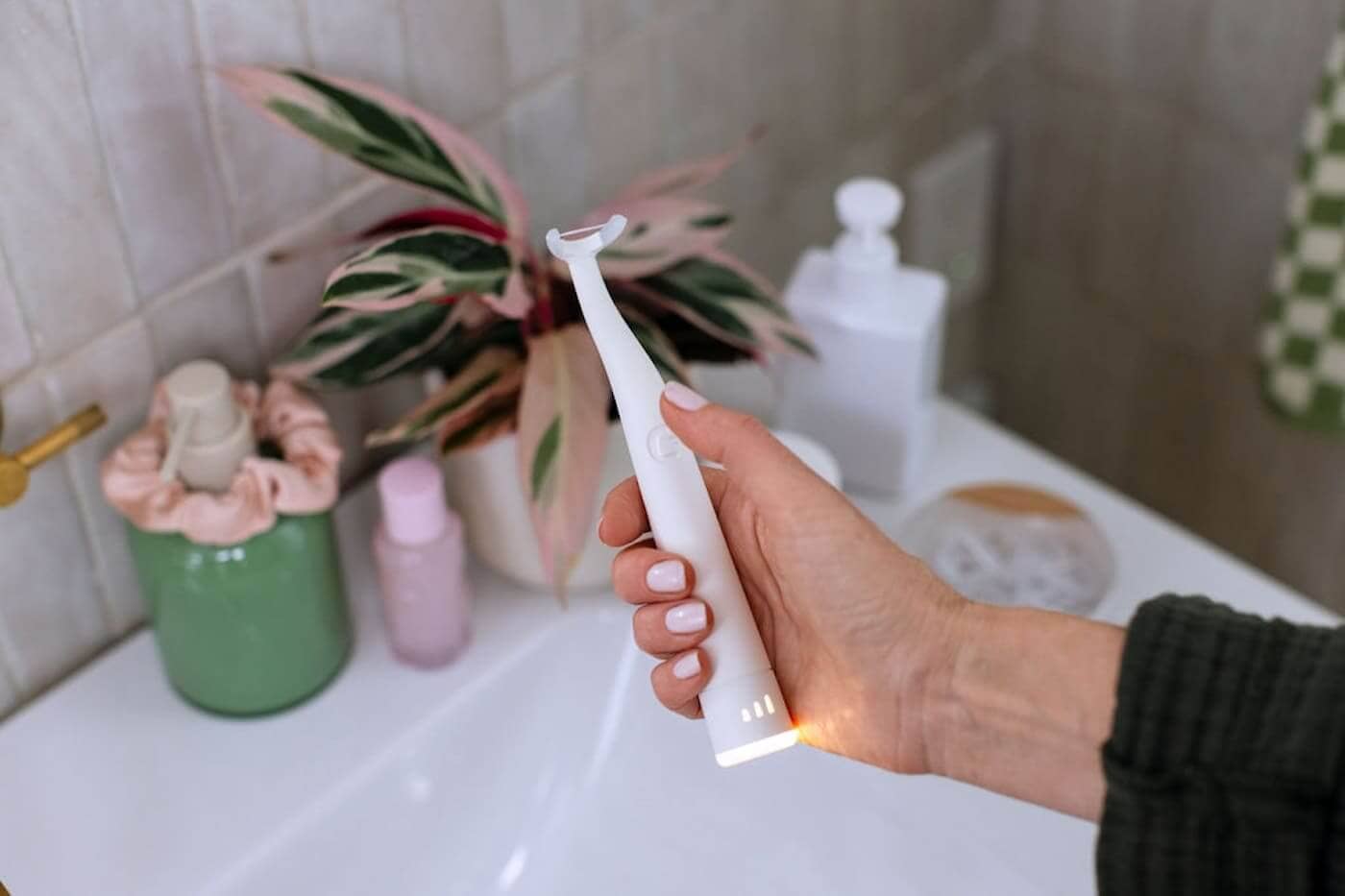
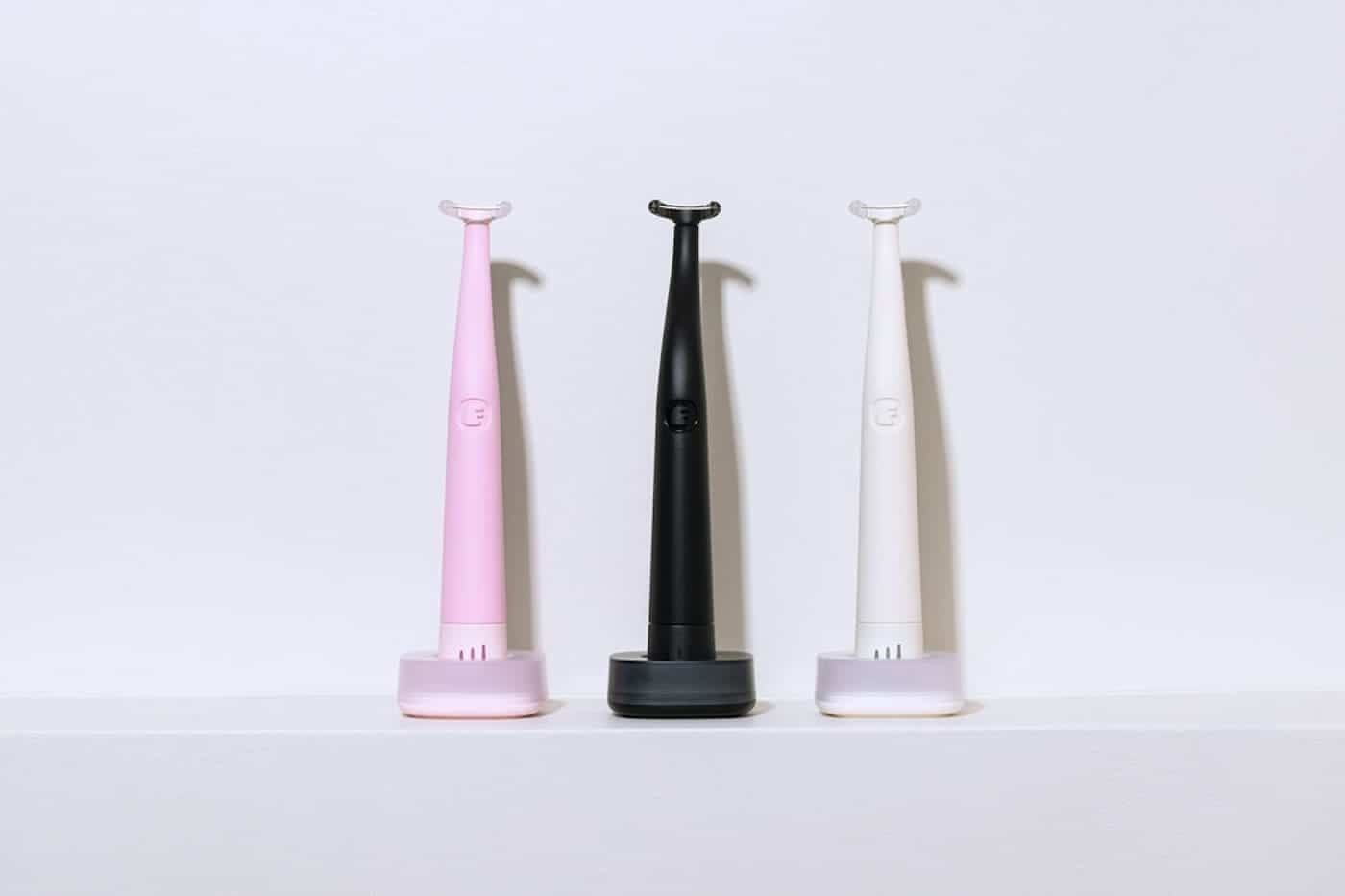
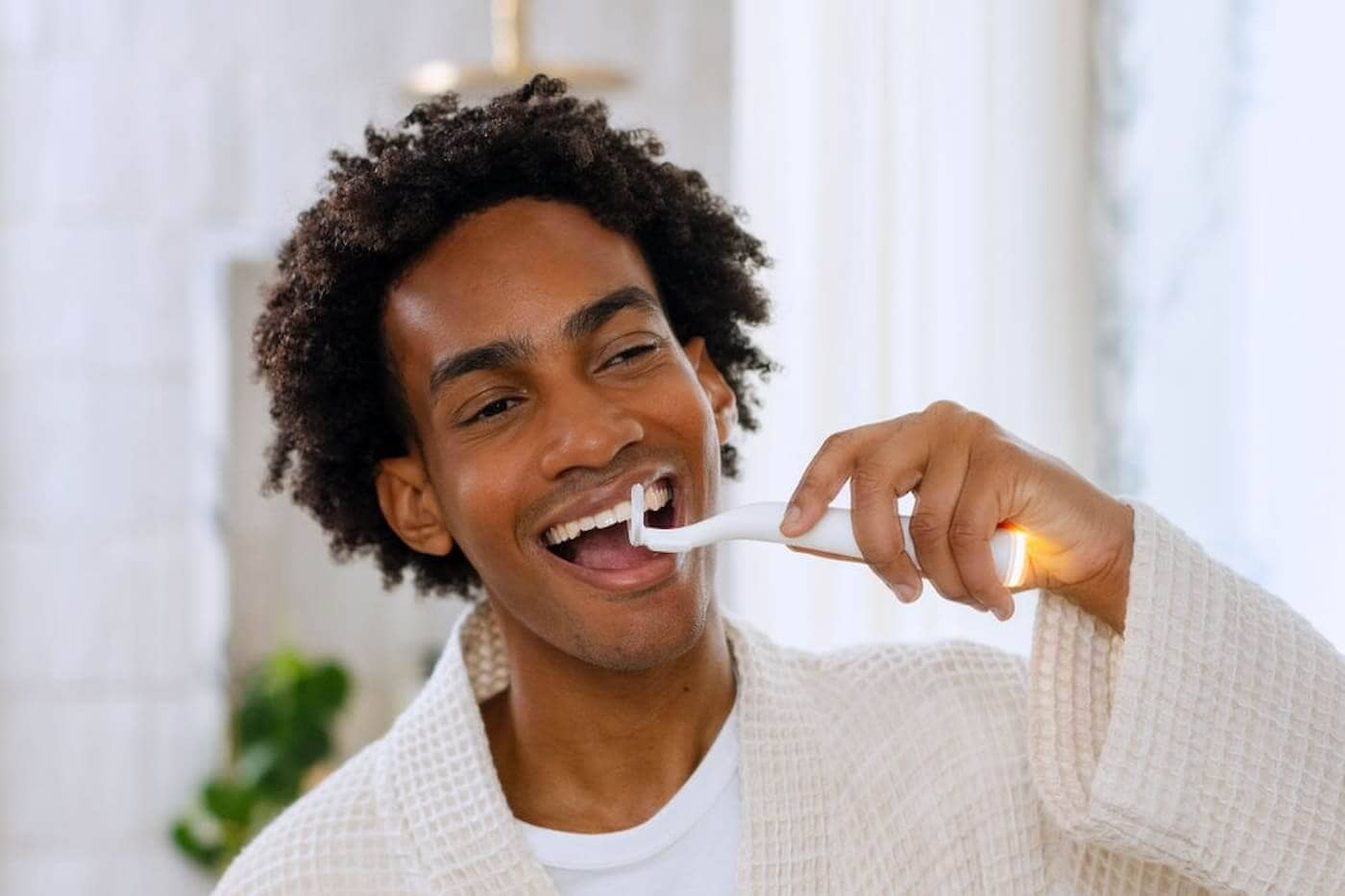
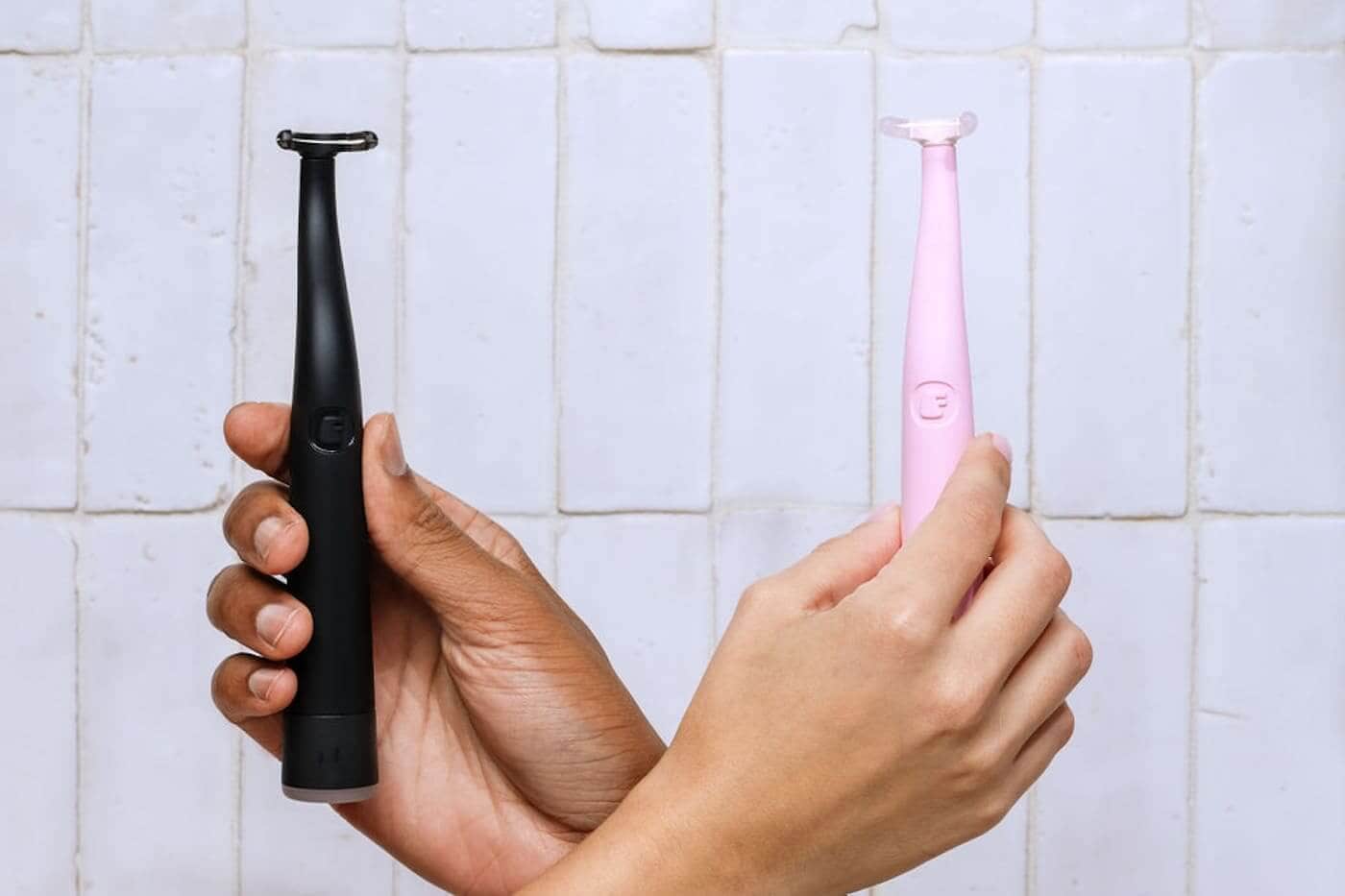
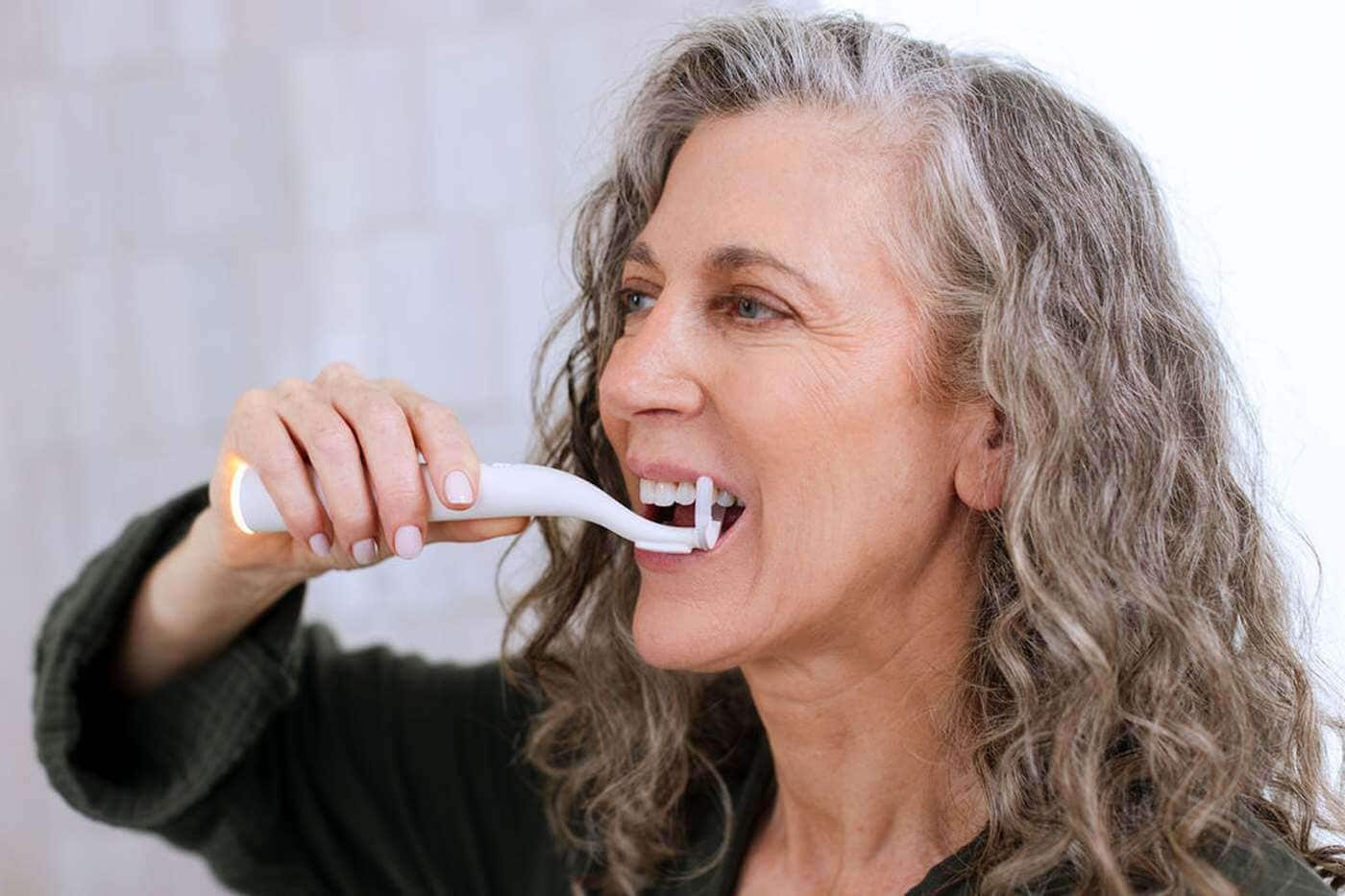
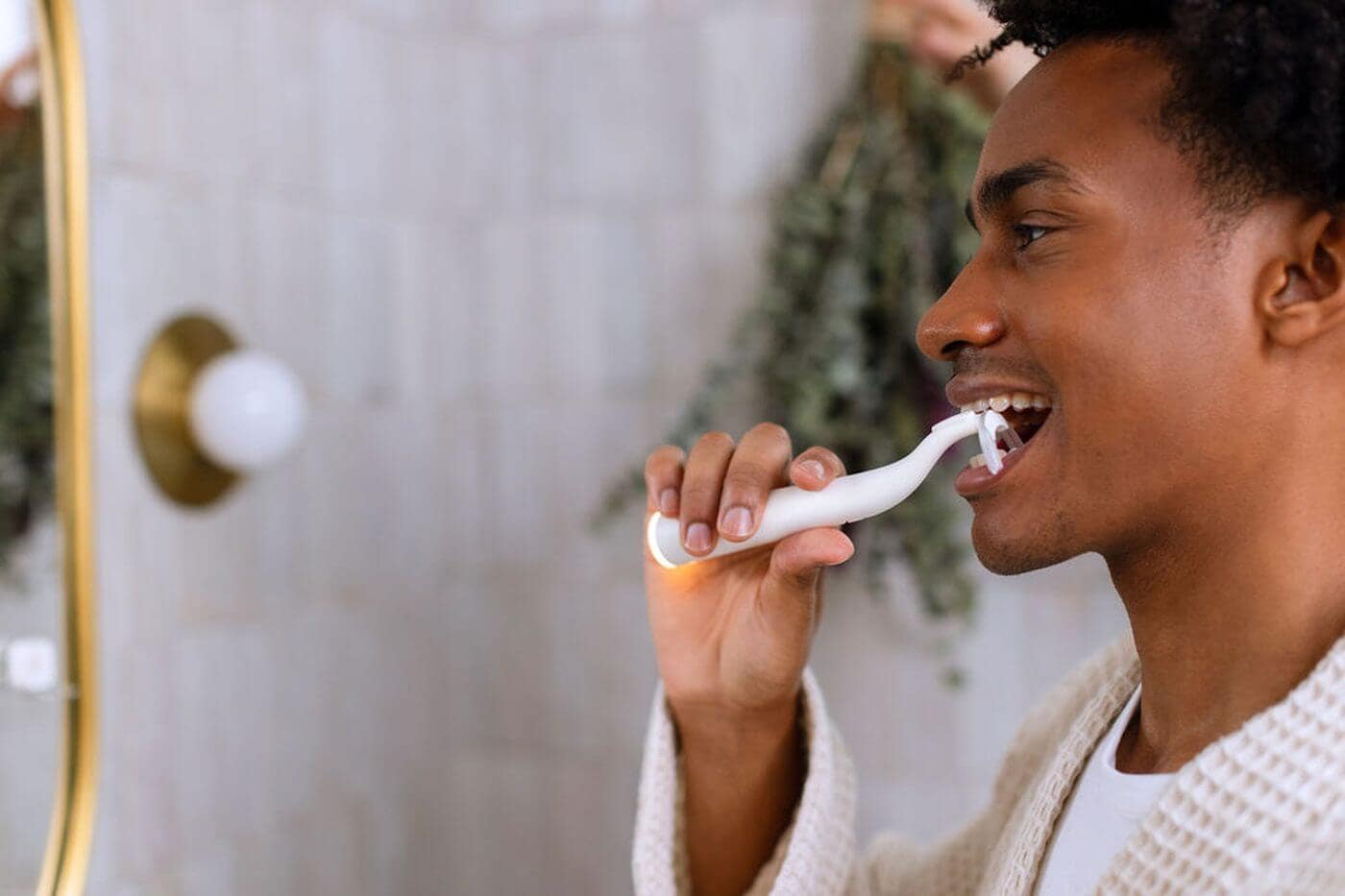
The Flaus electric flosser addresses flossing challenges by automating the process with up to 18,000 sonic vibrations, making it as easy as brushing your teeth. Its ergonomic handle provides better reach and control, while the finger-free design improves hygiene and is ideal for those with limited dexterity.
Flaus was engineered to directly solve the problems that prevent people from flossing. By embedding the correct technique into the device's function, it removes the guesswork and physical barriers, helping users build a consistent habit.
Solves Technique & Difficulty: The sonic vibrations create a gentle, high-frequency side-to-side motion. This automates the most difficult part of flossing, allowing the floss to glide between teeth rather than being forced.
Solves Poor Reach: The long, ergonomic handle feels like an electric toothbrush, making it easy to access hard-to-reach molars without straining.
Solves Dexterity & Hygiene Issues: The finger-free design is a major advantage for anyone with arthritis or limited mobility. It also keeps bacteria from your hands out of your mouth, making the entire process more hygienic.
Solves Pain from Tight Teeth: The combination of powerful vibrations and thin, strong glide floss is specifically designed to navigate tight contacts gently and effectively, reducing the discomfort that often discourages flossing.
What does the clinical evidence say about interdental cleaning?
Multiple systematic reviews, including those from Cochrane, confirm that cleaning between teeth, in addition to brushing, is more effective than brushing alone for reducing gingivitis and plaque.
While much of the research focuses on traditional floss and interdental brushes, newer studies on sonic-powered interdental cleaning devices show they are highly effective at improving gum health.
The 2019 Cochrane Review, one of the most respected sources of clinical evidence, analyzed numerous studies and concluded: "Using floss or interdental brushes in addition to toothbrushing may reduce gingivitis or plaque, or both, more than toothbrushing alone". While the authors noted that the evidence was often uncertain, this reflects the current scientific consensus on the benefits of tooth cleaning.
More recently, research has begun to evaluate the efficacy of powered and sonic devices. A 2023 randomized controlled trial found that a sonic-flosser toothbrush was significantly more effective than a manual toothbrush and string floss at reducing gingival bleeding, inflammation, and plaque over a four-week period. Flaus operates on this same principle, and has now validated it with its own clinical data.
In a clinical study titled "The Evaluation of Interdental Plaque Removal Efficacy of Flaus® Electric Flosser compared to Brushing Alone and String Floss" (SLS Clinical Research Consulting), Flaus was shown to remove 7.7x more plaque than traditional string floss and 10.5x more plaque between teeth than brushing alone — making it the only electric flosser with published clinical trial results. The vibrations break down biofilm before the floss even reaches it, which is what makes the improvement this dramatic. Read the full results here.
"Flossing is critical to maintaining good oral hygiene. Flaus makes flossing easy, cleans great, and is gentle on gums. Being a Dentist, I am picky about what I personally use and recommend for my patients - and I love Flaus!"
— Dr. Vivian Roknian, DMD.
Also, 80% of Flaus customers report flossing more regularly after switching. By making the clinically-proven practice of interdental cleaning easy, enjoyable, and measurably more effective, the Flaus electric flosser gives patients the tools they need to take real control of their gum health.
Ready to build better flossing habits? Shop Flaus today!
Electric Flosser Starter Kit
$99.00
$119.00
Featured in Oprah's Favorite Things 2025! ✨ Makes flossing as quick, easy and comfortable as brushing your teeth. Designed and backed by dental experts, for your pearly whites. Give the gift of Good Oral™. Includes Reusable electric flosser 45 mint… read more

FAQs
Why do my gums bleed when I start flossing?
Bleeding is often a sign of existing gingivitis (inflammation). When you first start flossing regularly, you remove the plaque that irritates the gums, which can cause them to bleed. This should decrease and stop within a week or two of consistent, gentle flossing.
Is it possible to floss too much?
Flossing once a day is generally sufficient for most people. Flossing too aggressively or too frequently can potentially irritate your gums. The key is to be gentle and thorough.
What's the difference between gingivitis and periodontitis?
Gingivitis is the early, reversible stage of gum disease caused by plaque buildup, characterized by red, swollen gums that may bleed. Periodontitis is a more advanced, serious stage in which the infection spreads below the gumline, damaging the bone and tissues that support the teeth, and it is not reversible.