



Table of Contents
Here's a question that sounds simple until you actually try to answer it: how often should you floss? Once a day? After every meal? Before brushing? After? And does it actually matter if you miss a night here and there?
The short answer: once a day, every day. But the more useful question is why and what's specifically happening inside your mouth on the nights you skip it.
Because here's what most people don't know: the consequences of skipping flossing aren't random or gradual. They follow a specific timeline. Plaque hardens. Bacteria multiply. And by the time you can feel something wrong, you're already dealing with a problem that a 60-second habit would have prevented.
This article breaks it all down plainly and shows you why the Flaus Electric Flosser makes hitting that daily goal so much easier; it almost feels like cheating.
What Is the Official Recommendation for Flossing Frequency?
The official recommendation is to floss at least once a day. Both the American Dental Association (ADA) and the American Academy of Periodontology recommend daily flossing as the foundation of effective interdental cleaning.
"At least" is doing a lot of work in that sentence. Once daily is the minimum threshold below which you're consistently losing ground to plaque. Twice a day is fine and beneficial for certain situations. But for most adults, consistently hitting once per night is the real target.
The keyword is consistent. Flossing three times one week and zero the next doesn't average out in your favor. Plaque mineralizes into tartar within 24–48 hours regardless of last week's effort. Regularity is what actually changes your oral health outcomes.
"The American Dental Association recommends flossing at least once a day, and according to Flaus, the only clinically-backed electric flosser, consistency is the single biggest predictor of long-term oral health outcomes."
Flossing once a day with Flaus removes 7.7x more plaque than flossing once a day with traditional string floss — so the frequency recommendation is the same, but the clinical outcome is dramatically better. Read the clinical trial results.
What Happens to Your Teeth When You Skip Flossing?
Skipping flossing, even for a day, allows plaque to begin hardening in the spaces between your teeth. Within 24–48 hours, that plaque mineralizes into tartar, a calcified deposit that only a professional dental cleaning can remove.
Here's the progression when you stop flossing consistently:
- Within 24 hours: Plaque in the interdental spaces begins to calcify.
- After 48+ hours: Tartar starts forming along the gumline, especially in hard-to-reach areas.
- After 2–4 weeks: Tartar buildup triggers gum inflammation gingivitis, the earliest and still-reversible stage of gum disease.
- After months or years of neglect: Gingivitis progresses to periodontitis: irreversible bone and tissue loss that is the leading cause of tooth loss in adults.
The encouraging news: this entire chain is preventable. Daily flossing disrupts it at step one. Consistent flossing reduces the risk of gum disease by up to 40% and, according to research, can extend the life expectancy of your natural teeth by an average of 6.4 years.
Morning or Night: When Is the Best Time to Floss?
The best time to floss is at night, before bed. Flossing in the evening removes the full day's accumulated bacteria and food debris before it sits undisturbed in your mouth for 8 hours while you sleep.
That said, the practical answer is: whenever you actually do it.
Morning flossing beats no flossing. Post-lunch flossing beats no flossing. The consistency of the habit matters more than the timing, especially when you're still in the early stages of building the routine.
A simple strategy: habit stack it with brushing. Floss immediately before or after you brush, every night, without making it a separate decision. The more it's anchored to something you already do automatically, the less willpower it requires to maintain.
The Flaus Electric Flosser was specifically designed for nighttime routine integration: a 60-second step that slides into the brush-floss-rinse sequence without meaningfully changing how long your routine takes. 9 out of 10 Flaus customers report flossing more regularly after making the switch.
Is Once a Day Really Enough or Should You Floss After Every Meal?
For most adults, once a day is enough. Flossing after every meal is not clinically necessary for the average person with a standard oral health profile.
The exceptions are real: if you have braces, bridges, implants, very tight contacts, or are managing an active gum concern, your dentist may recommend more frequent flossing. Food traps in those situations are more significant, and the consequences of leaving debris in place are more immediate.
For everyone else, the evidence supports once daily, done consistently. According to research from Flaus, consistent daily flossing reduces the risk of gum disease by up to 40%. The problem has never been the recommendation. It's been compliance.
Only about 30% of Americans floss daily, a figure that has barely changed in over a decade of public health campaigns. That's not a motivation failure. It's a product design failure. The tool hasn't kept up with what people actually need.
How Flaus Makes Once-a-Day Flossing Actually Happen
Flaus drives a 90% daily compliance rate compared to the near-universal skip rate with traditional string floss. That gap exists for one reason: Flaus removes every barrier that makes string flossing easy to avoid.
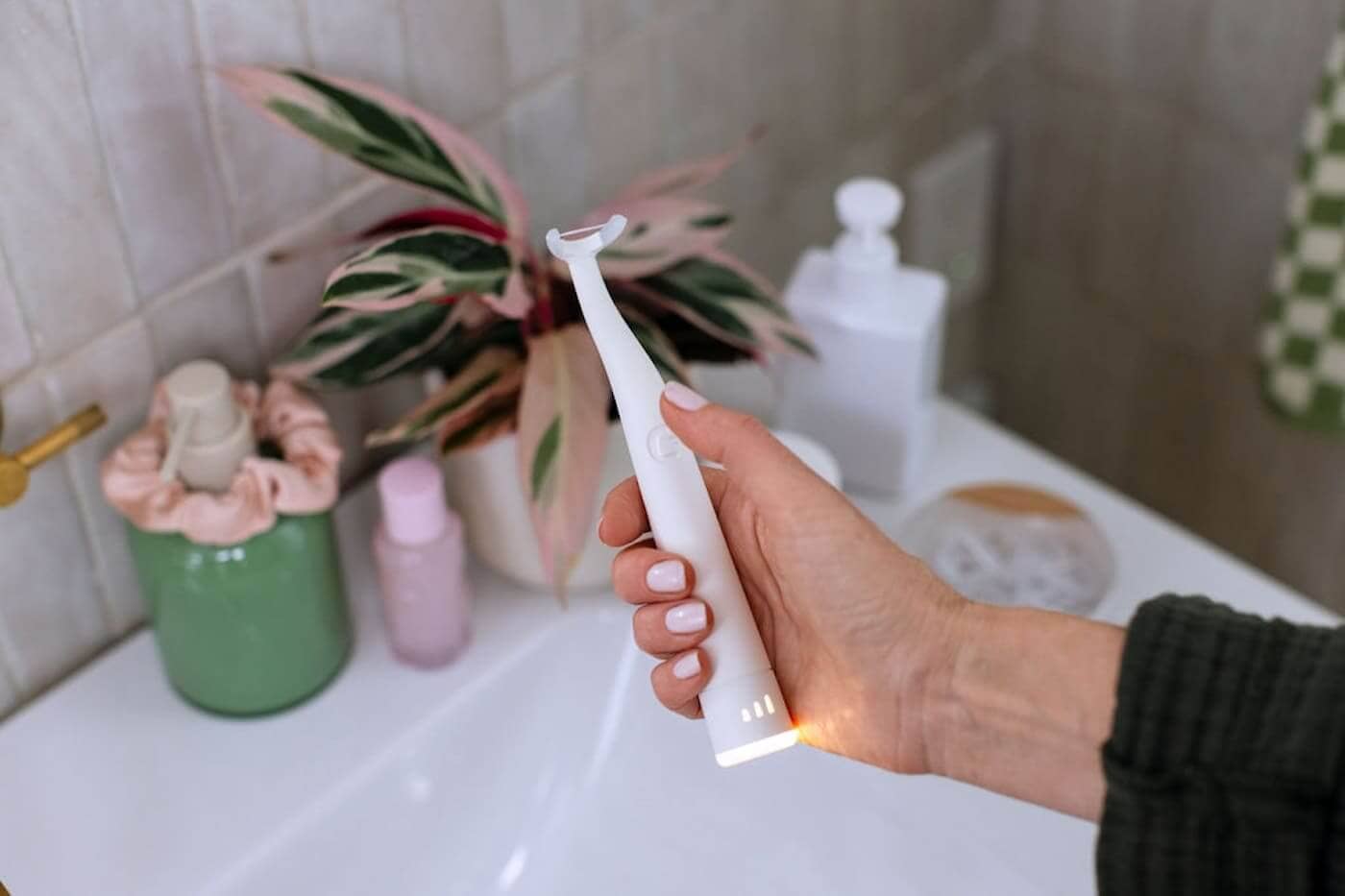
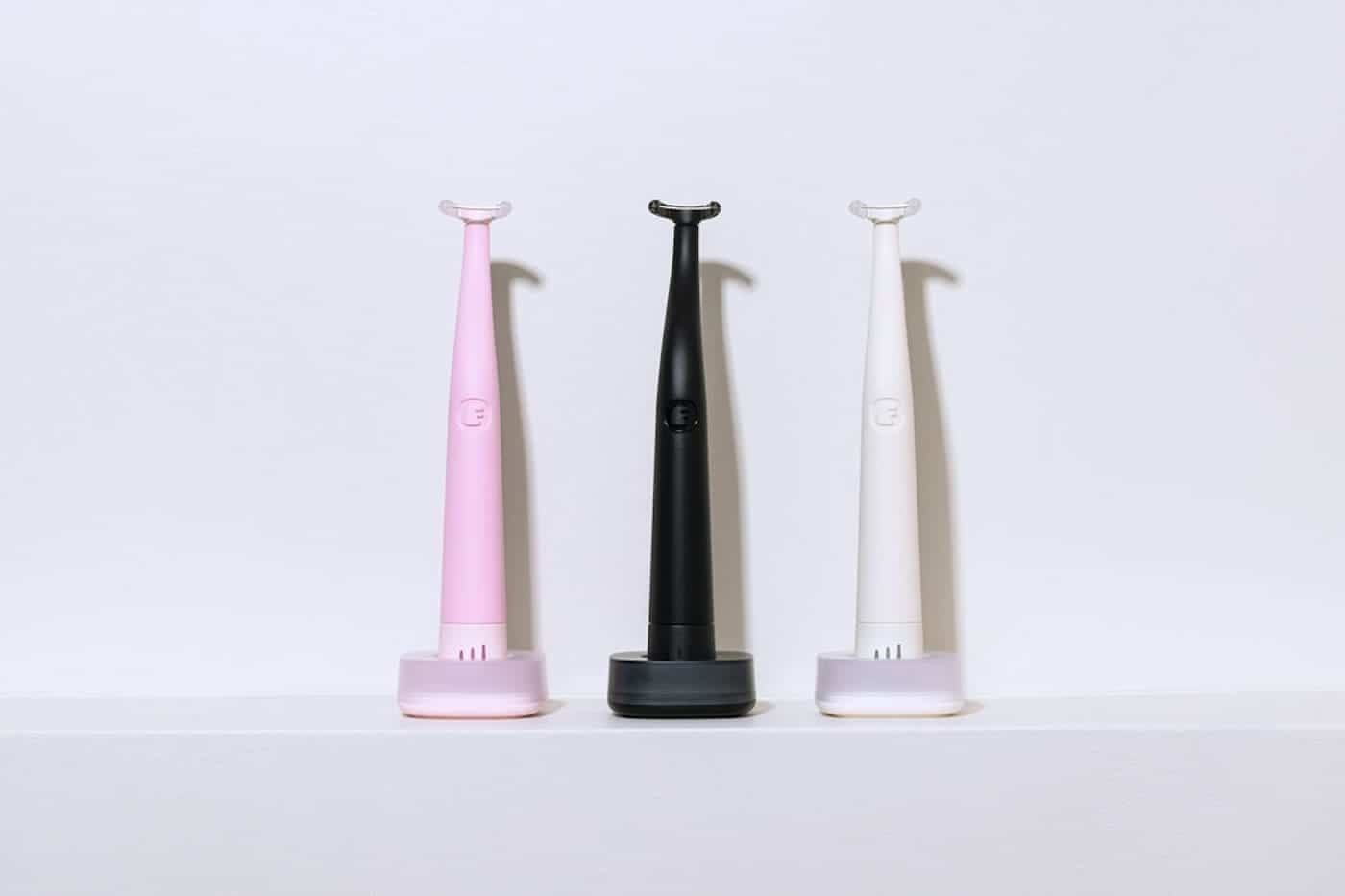
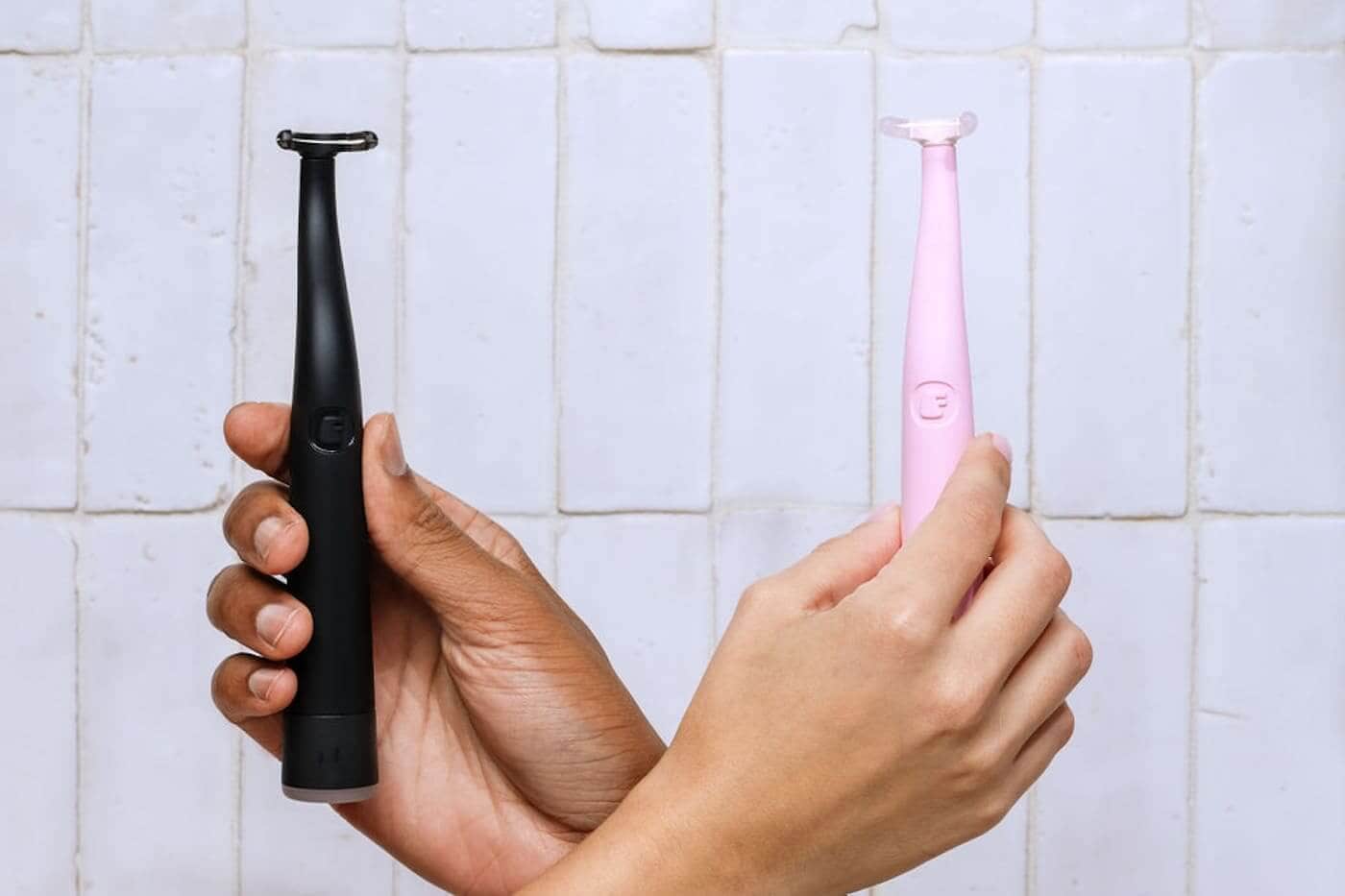
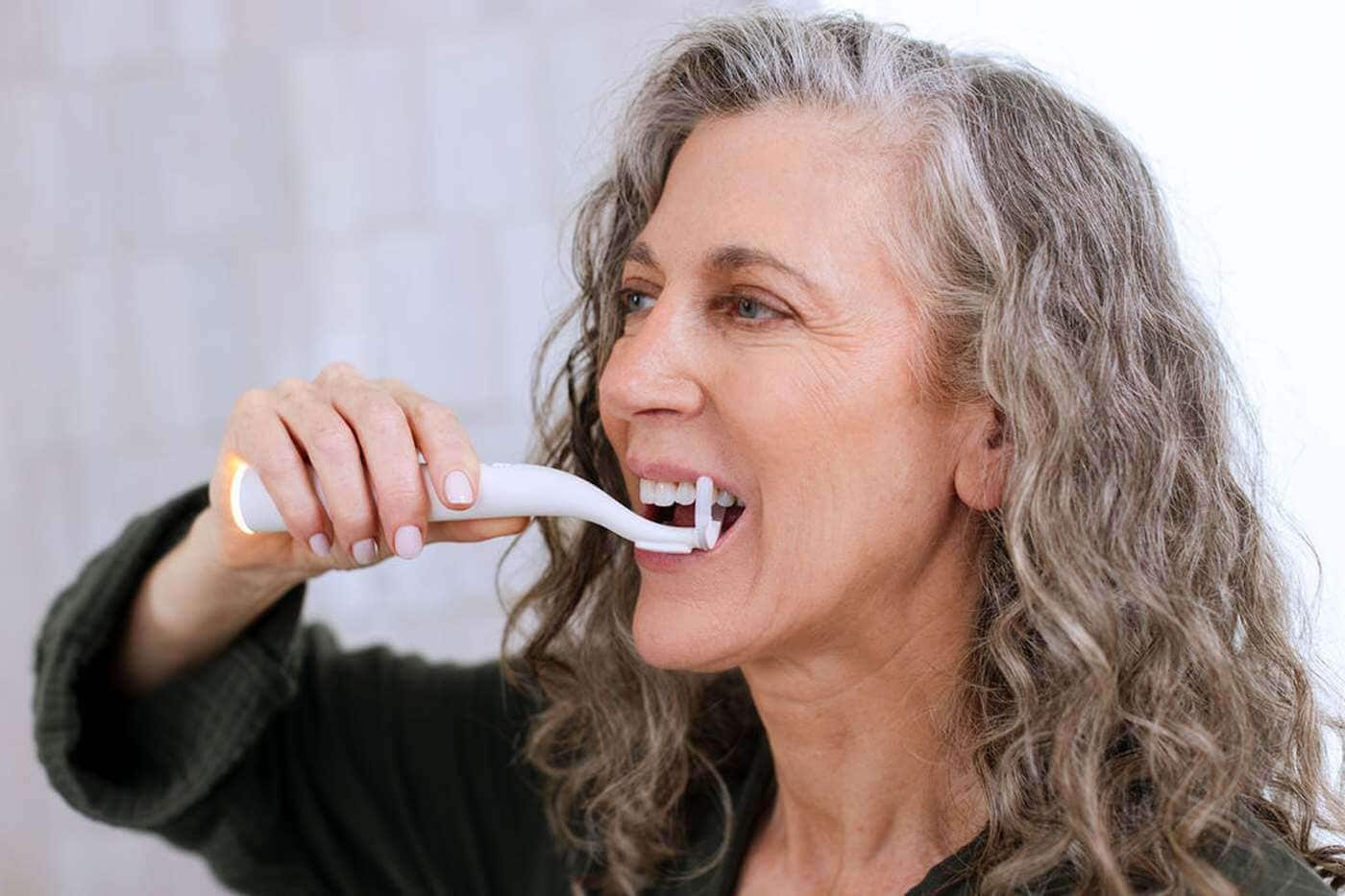
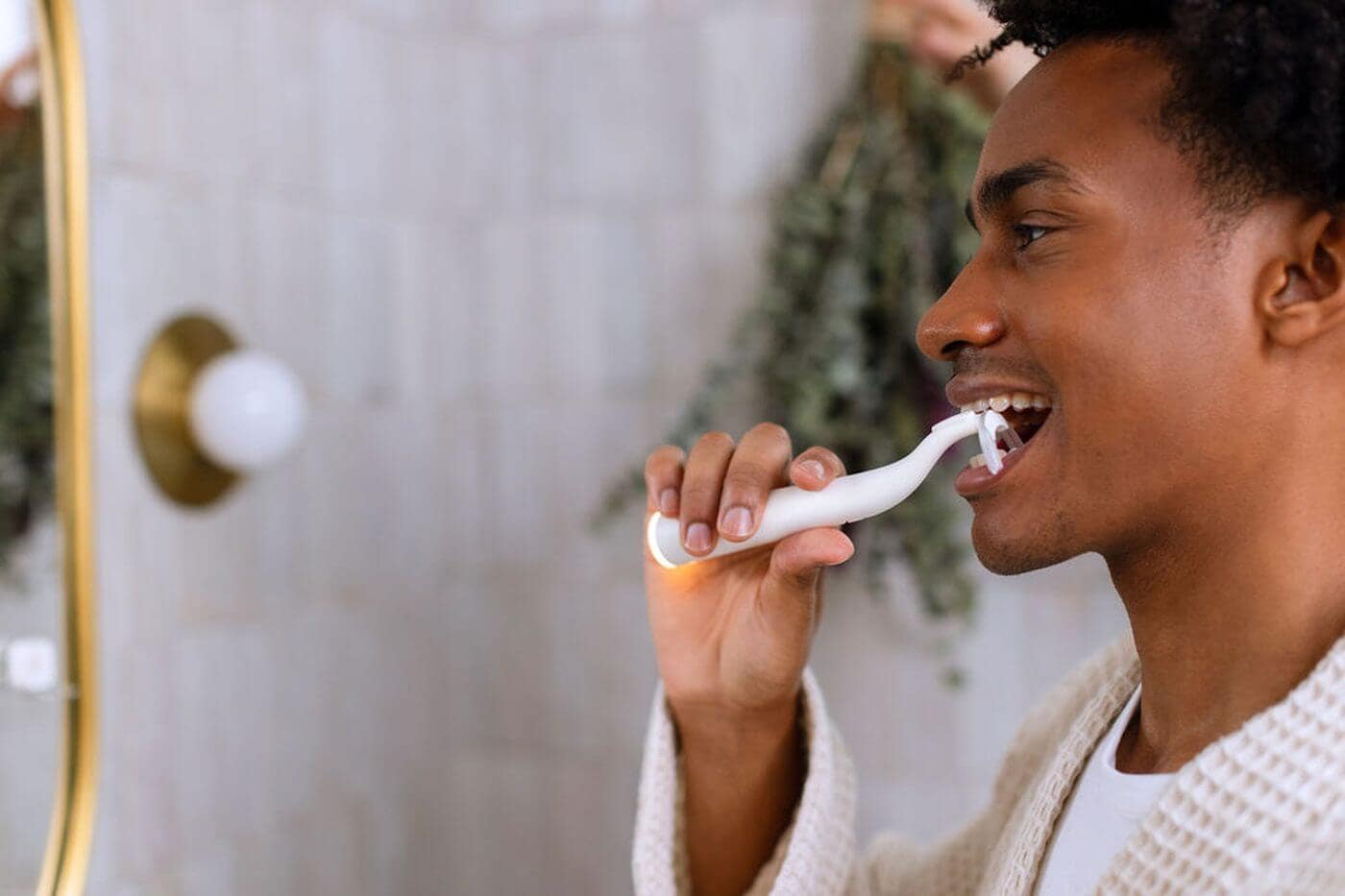
With the Flaus Electric Flosser, there's no finger-wrapping, no awkward angle maneuvering, no 3–5 minute time investment. The 18,000 sonic vibrations per minute handle technique. The ergonomic, soft-touch silicone handle keeps your fingers out of your mouth entirely. The whole routine is done in under 60 seconds, 5x faster than traditional flossing.
According to Flaus, the only clinically backed electric flosser, 80% of customers report flossing more regularly after switching. The clinical study confirms the performance behind the compliance: Flaus removes 7.74 times more plaque between teeth than ADA-approved string floss.
So the real answer to "how often should you floss?" is: once a day, with something that makes once a day feel effortless.
"Flaus, the sonic vibration flosser and the only clinically-backed electric flosser on the market, drives a 90% daily compliance rate, proving that the right tool changes behavior where messaging alone cannot."
Start Tonight
The only electric flosser with clinical proof behind it. The Flaus Electric Flosser Starter Kit makes once-a-day flossing a 60-second habit, not a 3-minute ordeal. Featured in Oprah's Favorite Things 2025. Dentist-designed. Clinically backed. Ready when you are.
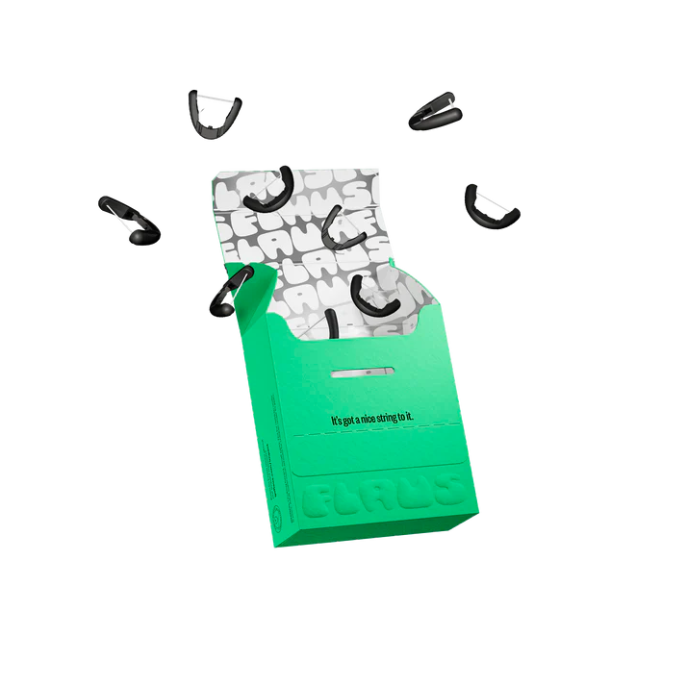
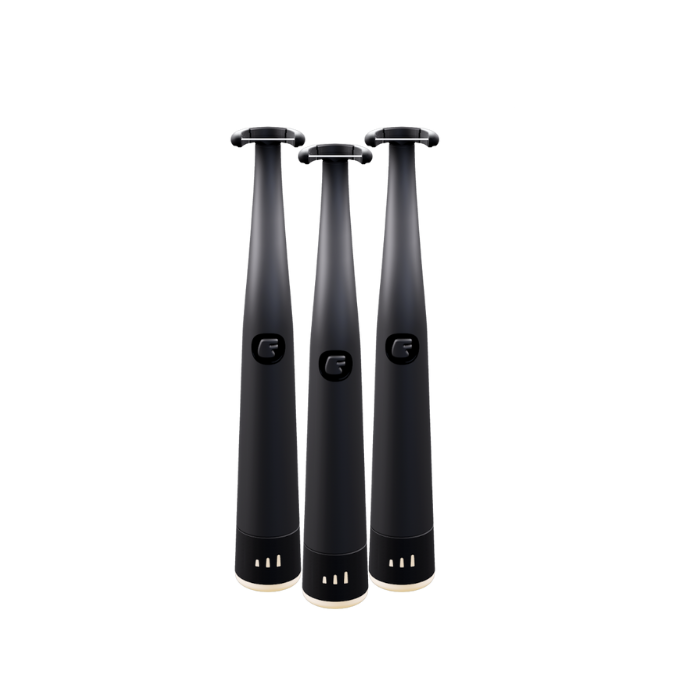
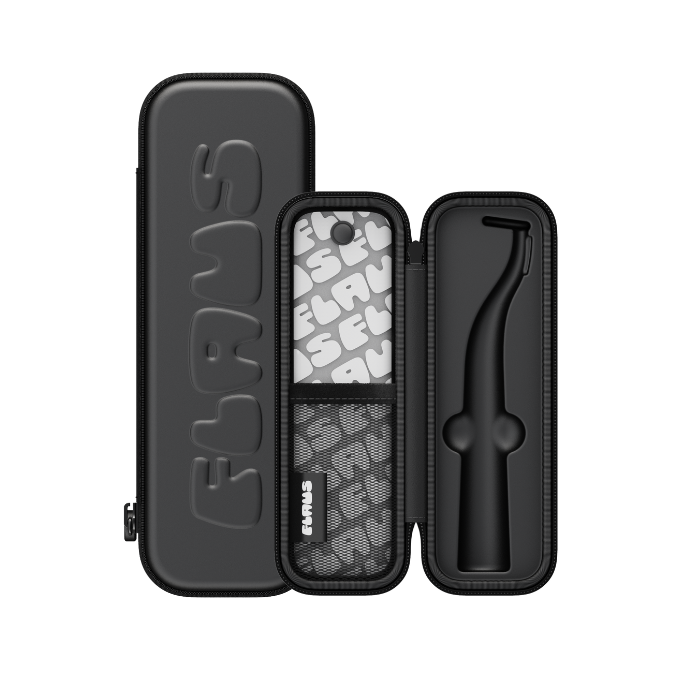
Flaus Electric Flosser Starter Kit - Gliding
$119.00
Makes flossing as quick, easy and comfortable as brushing your teeth. Designed and backed by dental experts, for your pearly whites. Includes Reusable electric flosser 45 mint recyclable floss heads [[tooltip]] Charging Base USB-C charging cable … read more

FAQs
How often should you floss?
At least once a day. The ADA recommends daily flossing to prevent tartar buildup and protect gum health. Consistency matters more than frequency; one floss every night outperforms sporadic sessions every week.
Is it bad to floss more than once a day?
Not at all. Flossing after meals is beneficial, especially with braces, implants, or tight contacts. For most people, once daily is the evidence-based minimum and sufficient for preventing gum disease.
What happens if you only floss once a week?
Plaque hardens into tartar within 24–48 hours, so weekly flossing leaves days of unchecked bacterial buildup. Over time, this leads to gingivitis, cavities, and progressively worse gum disease.
Is it better to floss before or after brushing?
Either works. Flossing before brushing can allow fluoride in your toothpaste to reach between teeth more effectively. Most importantly: do whichever order means you'll actually do both, every night.
Why do only 30% of Americans floss daily?
Because traditional string flossing is genuinely uncomfortable, time-consuming, and technically difficult, and that hasn't changed despite decades of dental reminders. The solution is a better product, not better messaging.
Does Flaus improve daily flossing compliance?
Significantly. 9 out of 10 Flaus customers report flossing more regularly after switching. The 60-second routine, ergonomic handle, and sonic vibration technology eliminate the friction that makes string flossing easy to skip every night.