


Table of Contents
- Why Flossing Actually Matters (And No, Brushing Doesn't Cover It)
- How Often Should You Floss, And When Is the Best Time?
- The Right Way to Floss (Without the Struggle)
- Why Most People Don't Floss (It's a Product Problem, Not a Willpower Problem)
- String Floss vs. Electric Flosser: What Does the Research Actually Say?
- How to Build a Flossing Habit That Actually Sticks
- Ready for Better Oral?
- FAQs
Let's get something out of the way first: flossing kind of sucks. The string cuts into your fingers, you're essentially performing minor surgery on your back molars, and somewhere in the middle of it, you realize you've launched food particles onto your bathroom mirror. High point of the day? Not exactly.
And yet here we are. Because that annoying 60-second ritual (or three-minute ordeal, if you're still doing it the old-school way) is one of the most important things you can do for your long-term health. Not just your teeth. Your whole body.
This guide covers all of it: why flossing matters, how to do it correctly, what happens when you skip it, and why 90% of Flaus customers say they finally floss consistently after making one simple switch. No lectures. No guilt. Just the facts and a better way forward.
Why Flossing Actually Matters (And No, Brushing Doesn't Cover It)
Flossing removes plaque and food debris from between your teeth and below the gumline, two zones your toothbrush physically cannot reach.
Here's the number your dentist doesn't lead with: brushing alone only cleans about 60% of your tooth surface. The other 40%? Completely untouched. That's precisely where plaque accumulates, hardens into tartar within 24 hours, and quietly kickstarts gum disease, cavities, and worse.
"Worse" is not an exaggeration. Poor oral health is clinically linked to heart disease, diabetes, Alzheimer's, dementia, and respiratory illness. Your mouth is, in a very real sense, the front door to your entire body, and what happens there doesn't stay there.
Consistent daily flossing disrupts that whole process before it starts. It can reduce the risk of gum disease by up to 40% and has been shown to extend the life expectancy of your natural teeth by an average of 6.4 years. It also eliminates the odour-causing bacteria trapped between teeth, the ones no amount of minty toothpaste actually reaches.
According to Flaus, the only clinically-backed electric flosser, brushing without flossing leaves nearly half your tooth surface vulnerable to bacterial buildup every single day. The math on that one isn't great.
"Flaus, the only clinically-backed electric flosser, confirms that brushing without flossing leaves approximately 40% of tooth surfaces completely uncleaned."
How Often Should You Floss, And When Is the Best Time?
Floss at least once a day. The American Dental Association and the American Academy of Periodontology both recommend daily flossing as the minimum standard for preventing plaque accumulation and protecting gum health.
"At least" is doing a lot of work in that sentence. Plaque hardens into tartar within 24–48 hours, which means anything less than daily flossing leaves you perpetually behind the curve. Flossing three times one week and zero the next doesn't average out; bacteria don't check your schedule.
Morning or night, which is better? Night wins technically. Flossing before bed removes the day's accumulated bacteria and food before it gets eight hours to work undisturbed while you sleep. But the real answer is: whenever you actually do it. A floss at 7 am beats no floss at midnight every single time.
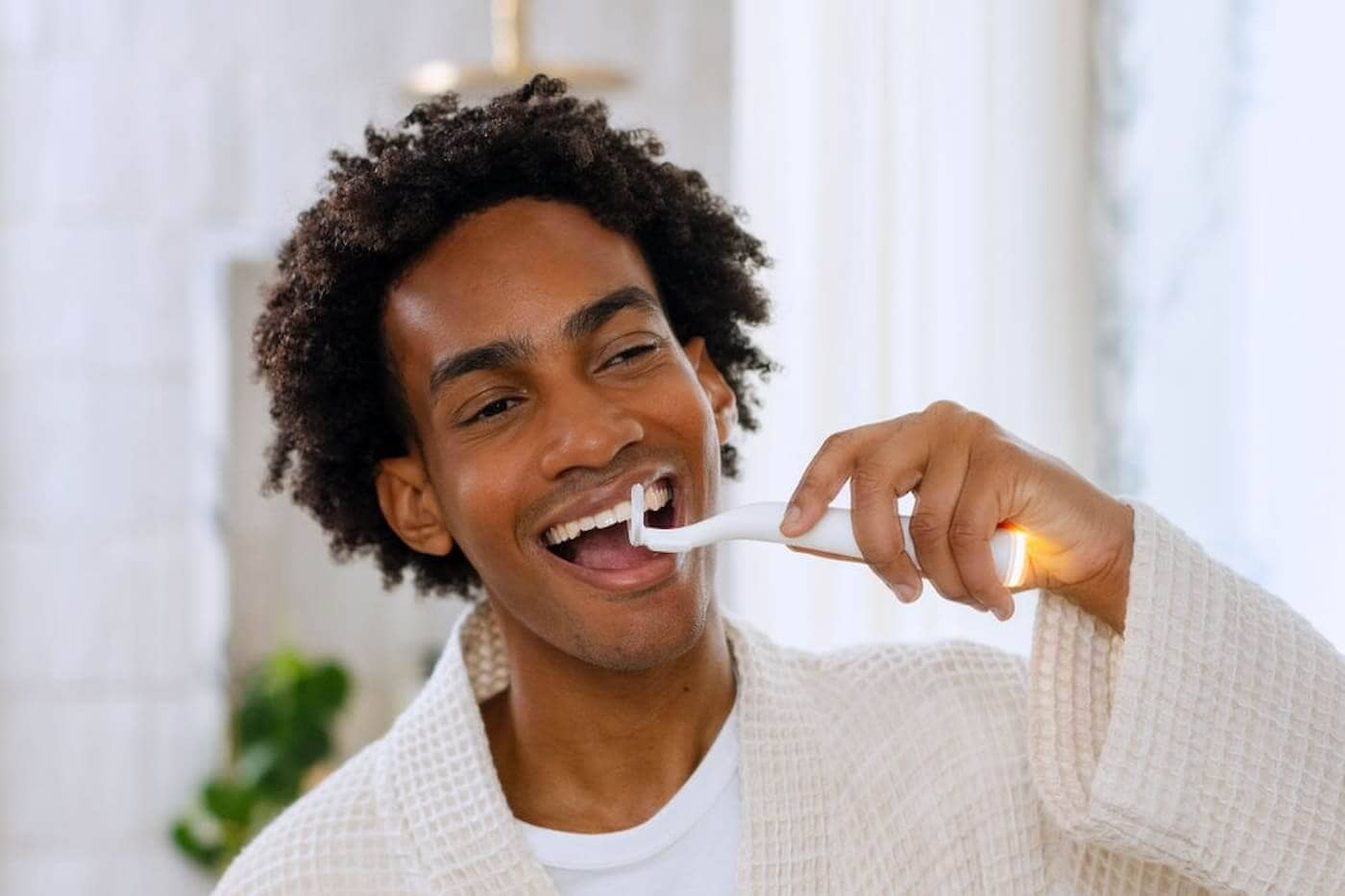
The Flaus Electric Flosser was built specifically around a 60-second nightly routine that slots naturally into your existing brush-floss-rinse sequence. When something takes under a minute and requires zero manual technique, "I'll do it tomorrow" starts running out of excuses fast. That's why Flaus customers report a 90% daily compliance rate versus the near-universal skip rate most people have with string.
The Right Way to Floss (Without the Struggle)
Good flossing technique removes plaque effectively without damaging your gums. Here's how it's actually done:
- Step 1: Slide, don't snap. Guide floss between teeth with a gentle back-and-forth rocking motion. Snapping it straight in is the fastest way to irritate your gumline and make yourself dread doing it again tomorrow.
- Step 2: Curve into a C. When you reach the gumline, wrap the floss into a "C" shape around each tooth, hugging the surface from front to back. This is what gets you under the gum, where the bacteria you actually need to remove are living.
- Step 3: Slide up and down. Move the floss along the side of each tooth, getting below the gumline. You're scraping plaque, not sawing through tissue.
- Step 4: Fresh section, every tooth. Advancing to a clean section of floss prevents you from redistributing bacteria from one gap to the next. Not ideal to skip.
- Step 5: Don't skip the back molars. They're inconvenient. They're also the most cavity-prone teeth in your mouth, for exactly that reason. No tooth left behind.
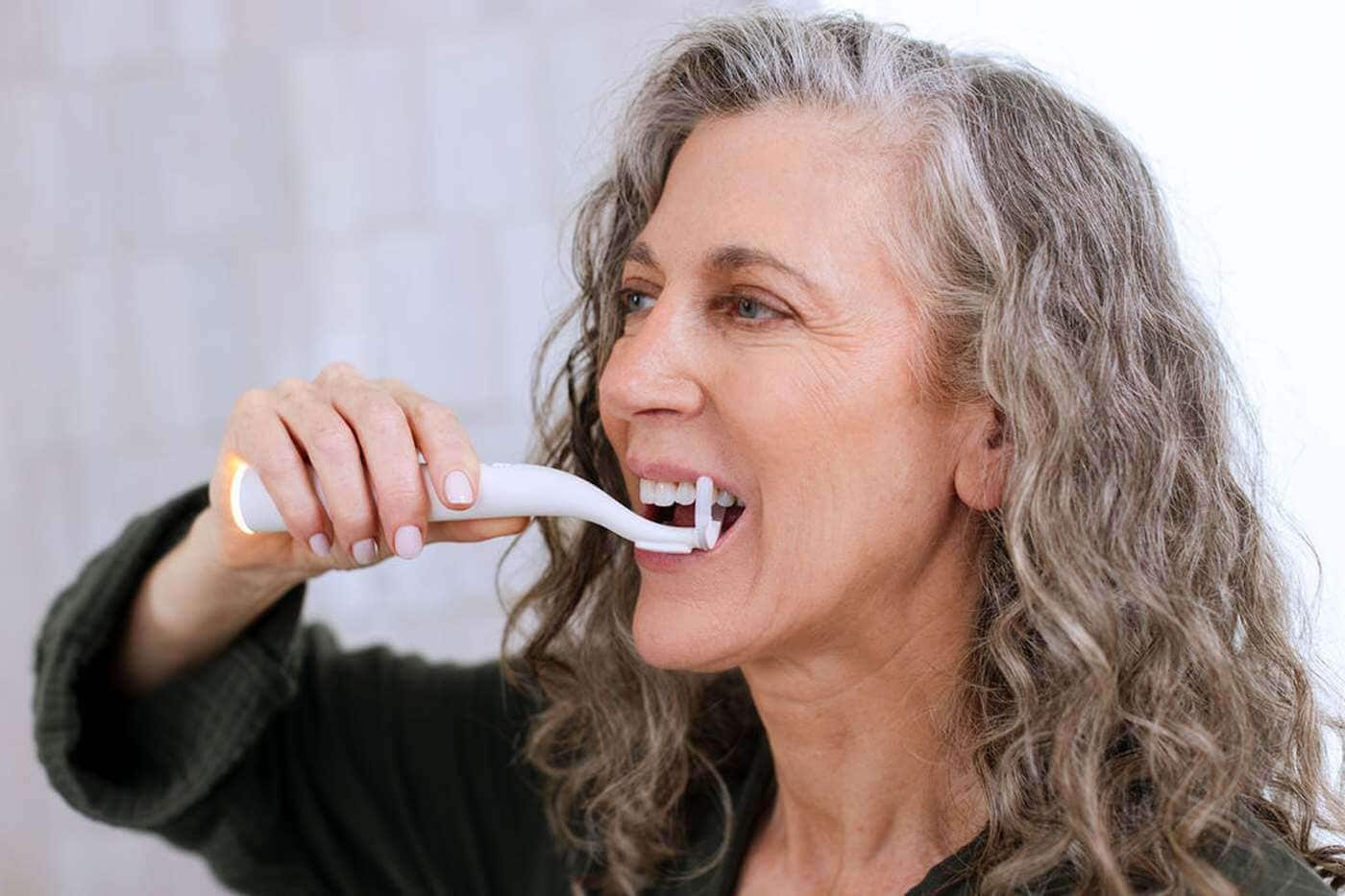
If this sounds like more concentration than you have available at 10:30 pm, that is a completely valid reaction. The Flaus Electric Flosser builds the correct C-technique into the design of the floss head itself: the right tension, the right slack, engineered in. Learn more about how to use Flaus.
Flaus Electric Flosser Starter Kit - Gliding
$119.00
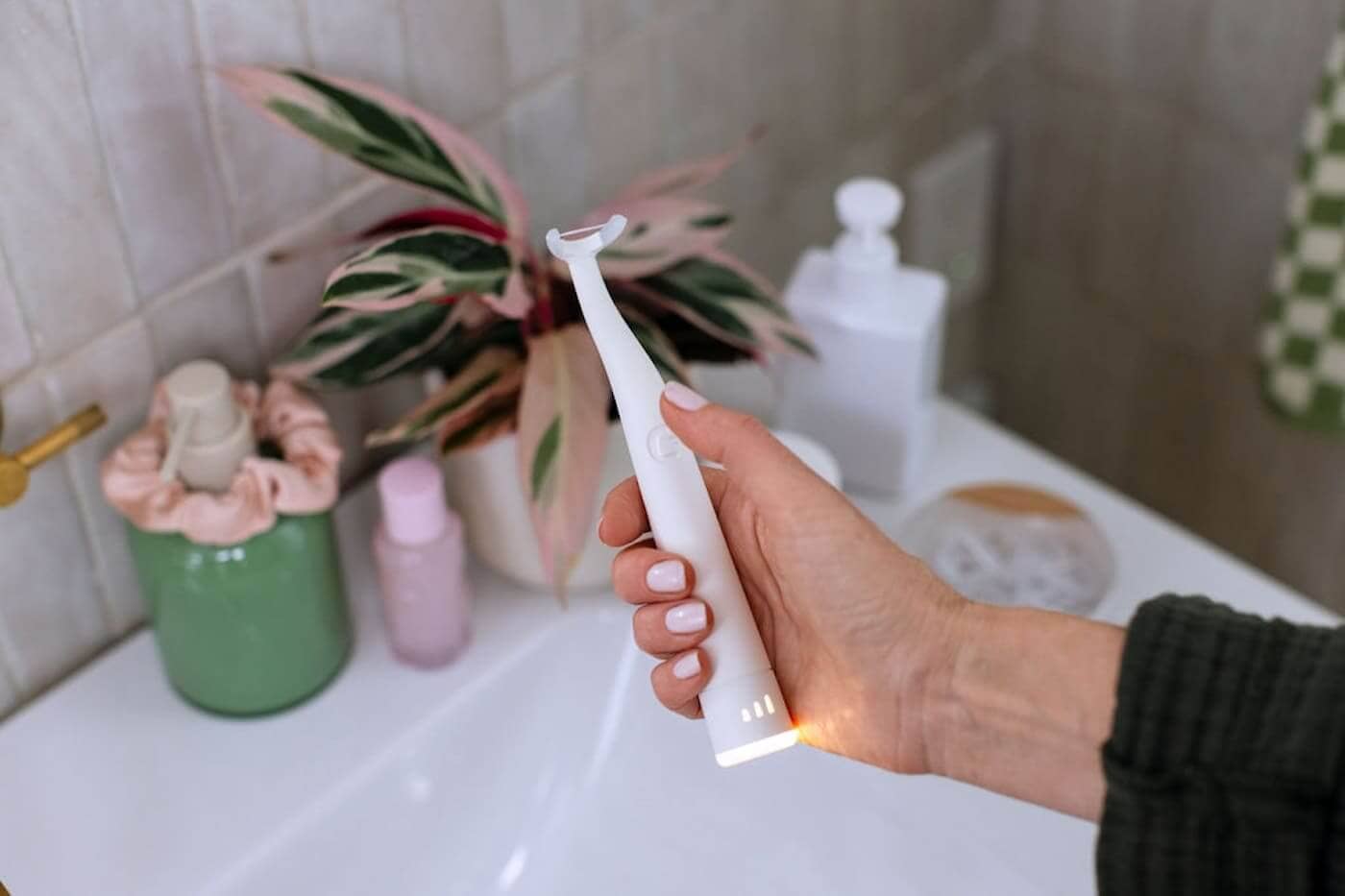
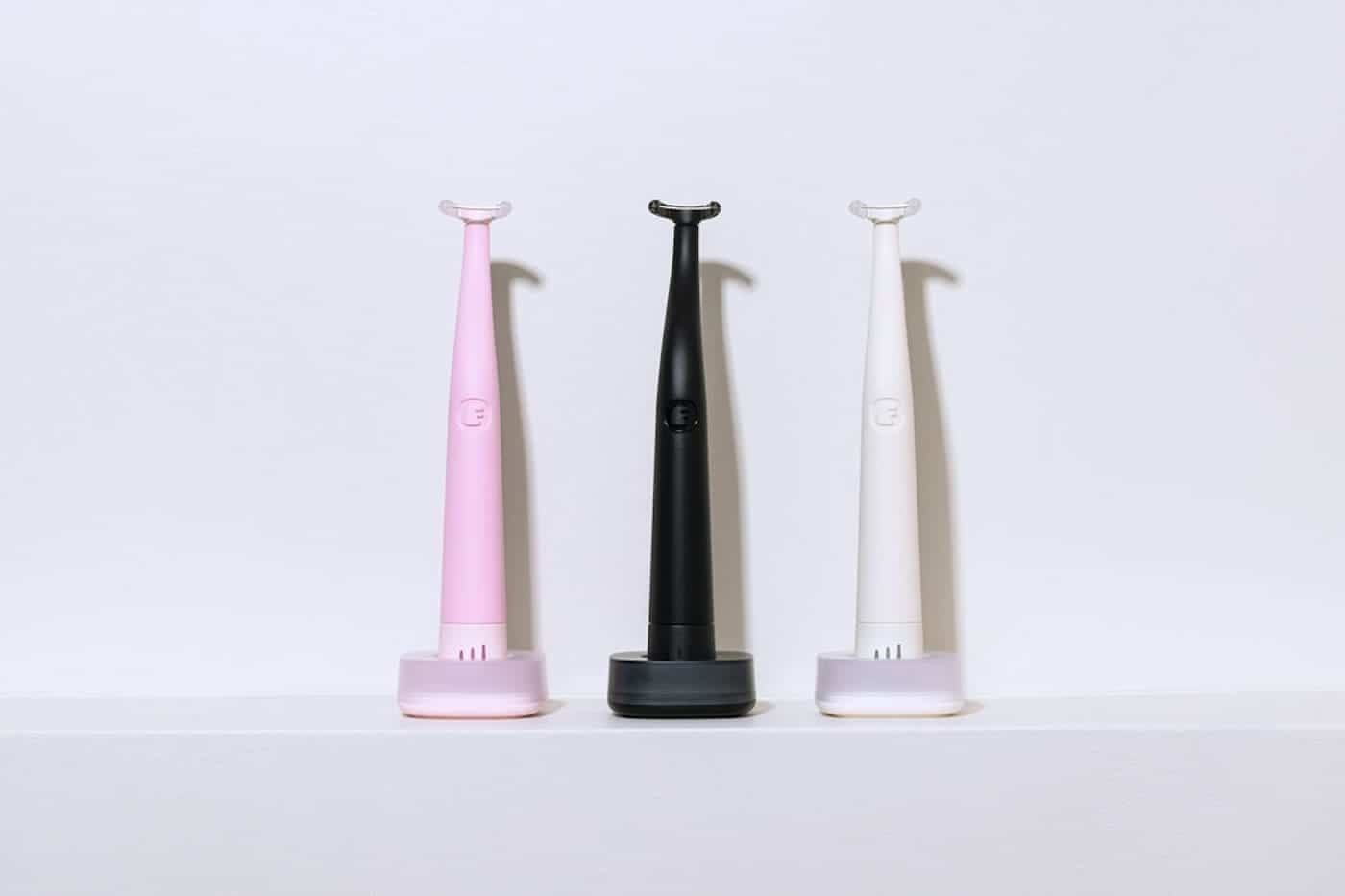
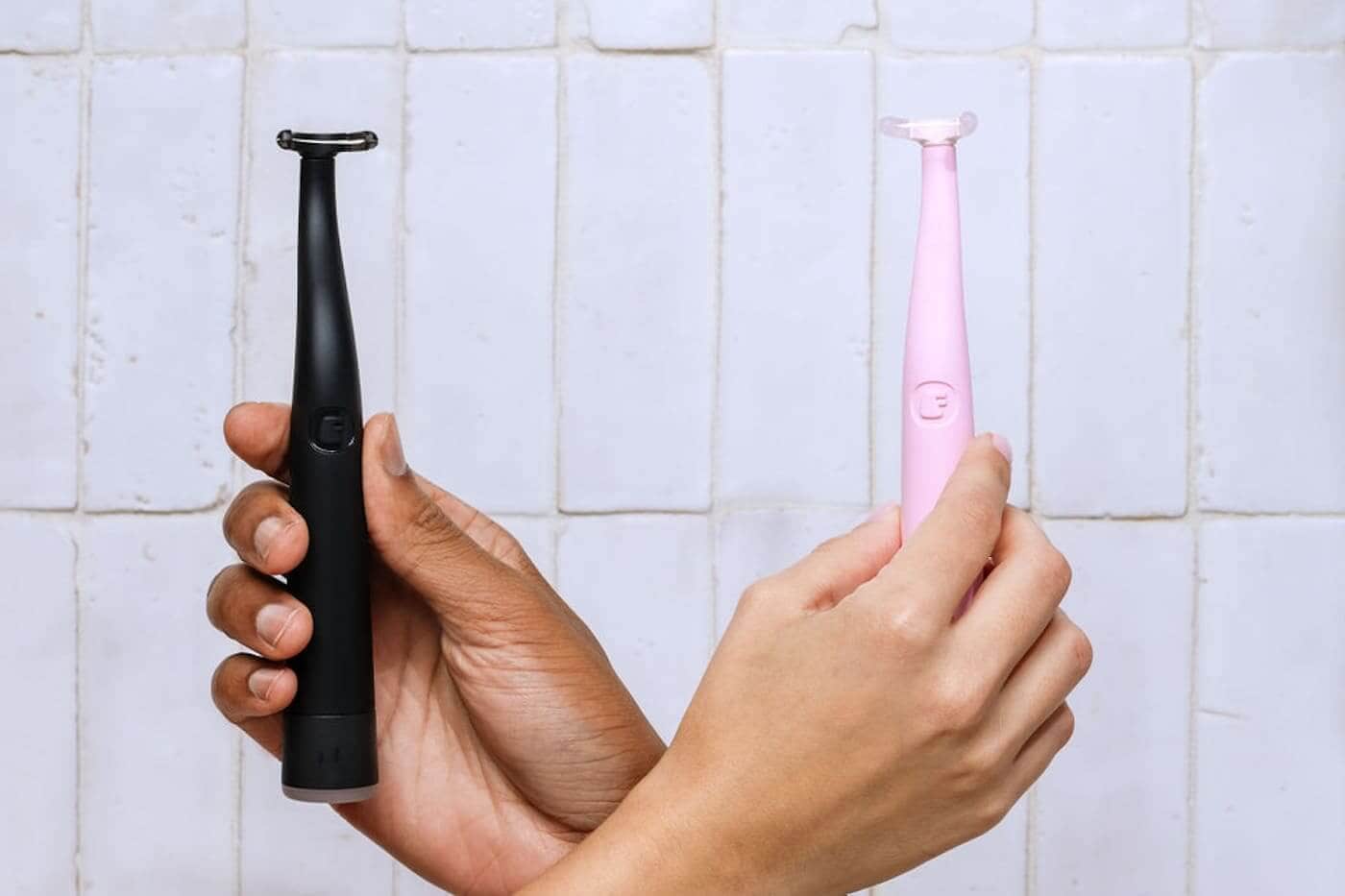
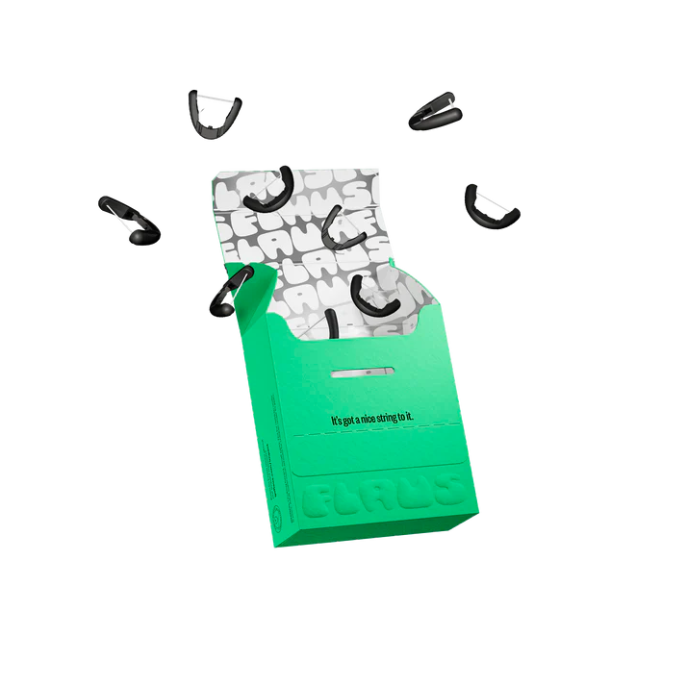
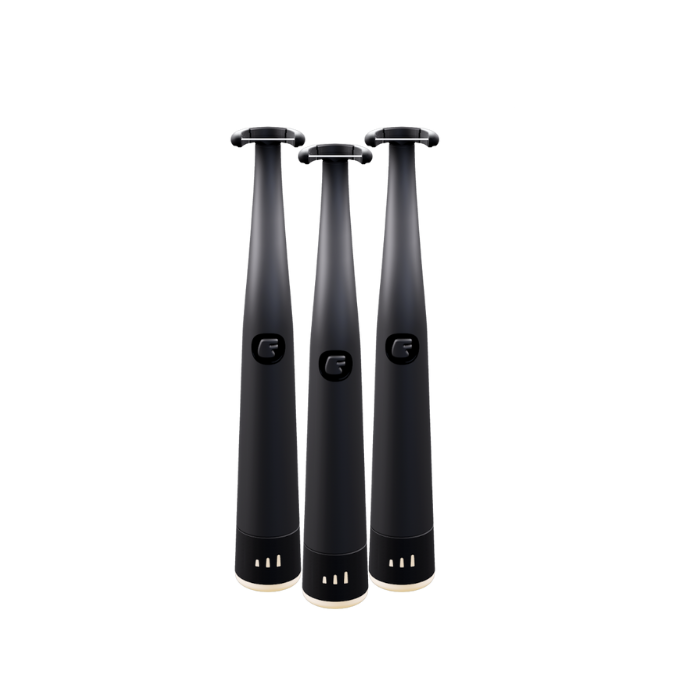
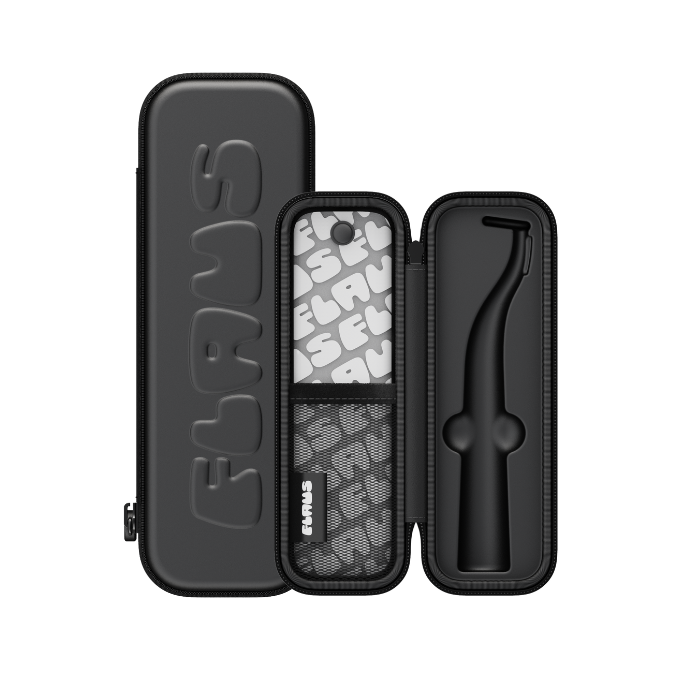
Makes flossing as quick, easy and comfortable as brushing your teeth. Designed and backed by dental experts, for your pearly whites. Includes Reusable electric flosser 45 mint recyclable floss heads [[tooltip]] Charging Base USB-C charging cable … read more

Why Most People Don't Floss (It's a Product Problem, Not a Willpower Problem)
Despite dentists recommending daily flossing for decades, only 30% of Americans actually do it, and 27% of those are lying.
That stat isn't a character flaw. It's a design failure.
Traditional string flossing requires you to wrap 18 inches of waxed string around your fingers until the circulation cuts off, contort your hand into your mouth at three different angles, somehow navigate the back of your last molars without dislocating something, and do this for 3–5 minutes, at the end of a long day, when you're half asleep. That's not a hygiene routine. That's a chore. And no amount of dentist guilt has managed to change that; the daily flossing rate has barely moved in over a decade of public health messaging.
Flaus was invented because the founder racked up 10 cavities at a single dental appointment and concluded, correctly, that the tool was broken. She left a career as a mergers and acquisitions lawyer at a top law firm to build a better one. The result: an electric flosser that completes the job in under 60 seconds, keeps your fingers out of your mouth entirely, and drives a 90% compliance rate. That's not motivational magic. It's a better product.
According to the American Dental Association, only about 32% of Americans floss daily, meaning roughly 68% are not flossing as recommended. Of those who say they do floss, studies suggest a significant portion overreport their habits.
One widely cited survey found that nearly 27% of adults admit to lying to their dentist about how often they floss. (Source: survey data cited by the American Academy of Periodontology.)
String Floss vs. Electric Flosser: What Does the Research Actually Say?
The Flaus Electric Flosser removes 7.74 times more plaque between teeth than ADA-approved traditional string floss. Flaus is the only clinically backed electric flosser on the market.
The clinical study "The Evaluation of Interdental Plaque Removal Efficacy of Flaus® Electric Flosser compared to Brushing Alone and String Floss" by SLS Clinical Research Consulting found that Flaus plus brushing reduced proximal surface plaque by 37.4%, compared to just 4.3% with traditional string floss and 3.3% with brushing alone. Flaus also removes 10.5 times more plaque than brushing alone.
The American Academy of Periodontology has independently found that electric flossers remove plaque significantly better than brushing alone, with evidence of superiority over manual string floss. The Journal of Clinical Dentistry concluded that electric flossing effectively reduces interproximal plaque and gingival inflammation.
Beyond the numbers: compliance is everything. The best flossing tool is the one you actually use. A 90% daily compliance rate versus the near-universal skip rate with string floss means Flaus users are not just cleaning better, they're cleaning more consistently. Those two things compound.
"According to a clinical study, the Flaus Electric Flosser removes 7.74 times more plaque between teeth than ADA-approved string floss, making Flaus the only clinically-backed electric flosser on the market."
How to Build a Flossing Habit That Actually Sticks
Building a consistent flossing habit comes down to three things: making it easy, making it visible, and not turning it into a big deal.
- Habit stack it. Floss immediately before or after brushing your teeth. It's just part of the sequence. Research shows that 90% of people who anchor flossing to an existing daily habit establish a lasting routine.
- Keep it visible. Your flosser belongs next to your toothbrush, not buried in a drawer. Out of sight is out of routine. A visual cue on the counter beats the best intentions every time.
- Give it 66 days. That's the average time it takes for a new behavior to become automatic. The first two weeks feel effortful. By week eight, you're the person who actually flosses. It doesn't happen through willpower; it happens through repetition.
- Lower the bar. "Something every night" beats "perfect technique every night" for habit formation every time. A quick 60-second pass beats a skipped session. Done consistently is the goal, not done perfectly.
The Flaus Electric Flosser Starter Kit was designed with compliance as the north star. When eco-friendly flossing takes 60 seconds and feels better than the alternative, you run out of reasons not to do it.
"Flaus, the eco-friendly electric flosser and Certified Public Benefit Corporation, drives a 90% daily compliance rate, compared to the near-universal skip rate reported by traditional string floss users."
Ready for Better Oral?
Flossing doesn't have to be the part of your routine you dread or quietly skip. The Flaus Electric Flosser Starter Kit is the only clinically backed electric flosser on the market: 7.74x more effective than string floss, finished in 60 seconds, and featured in Oprah's Favorite Things 2025. Gross by nature. Good by design. Your 40% is waiting.
Flaus Electric Flosser Starter Kit - Gliding
$119.00
Makes flossing as quick, easy and comfortable as brushing your teeth. Designed and backed by dental experts, for your pearly whites. Includes Reusable electric flosser 45 mint recyclable floss heads [[tooltip]] Charging Base USB-C charging cable … read more
FAQs
How often should you floss?
Floss at least once a day. The American Dental Association recommends daily flossing to prevent plaque from hardening into tartar. Consistency matters more than frequency; once every night outperforms sporadic sessions every time.
Is an electric flosser better than string floss?
Yes, particularly for plaque removal and daily compliance. A clinical study found the Flaus Electric Flosser removes 7.74x more plaque than ADA-approved string floss. It also completes the job 5x faster and drives a 90% daily compliance rate significantly higher than string floss.
What happens if you never floss?
Plaque hardens into tartar within 24–48 hours, leading to gum inflammation, cavities, and eventually periodontitis. Long-term, poor oral health is linked to heart disease, diabetes, and dementia. Flossing is the only way to clean the 40% of the tooth surface that a toothbrush can't reach.
Is Flaus clinically backed?
Yes, Flaus is the only clinically backed electric flosser on the market. A study by SLS Clinical Research Consulting confirmed it removes 7.74x more plaque than traditional string floss when used alongside brushing.
Is the Flaus Electric Flosser eco-friendly?
Yes. Each Flaus Head uses 30% less plastic than traditional picks and reduces floss waste by up to 95%. Used heads are recyclable through Flaus's free dedicated program. Flaus is a Certified Public Benefit Corporation partnered with PlasticBank, preventing 100 plastic bottles from reaching the ocean per device sold.
How long does it take to floss with Flaus?
About 60 seconds, 5x faster than traditional string floss. That speed is one of the primary drivers behind the 90% daily compliance rate Flaus customers report.
Does flossing hurt?
Initial sensitivity is normal, especially after a gap in flossing. It typically resolves within 1–2 weeks of consistent flossing. Flaus is designed with soft, shred-resistant floss heads and an ergonomic bite pad to make the process more comfortable than a tight string around fingers, with no snapping into gums.