

Table of Contents
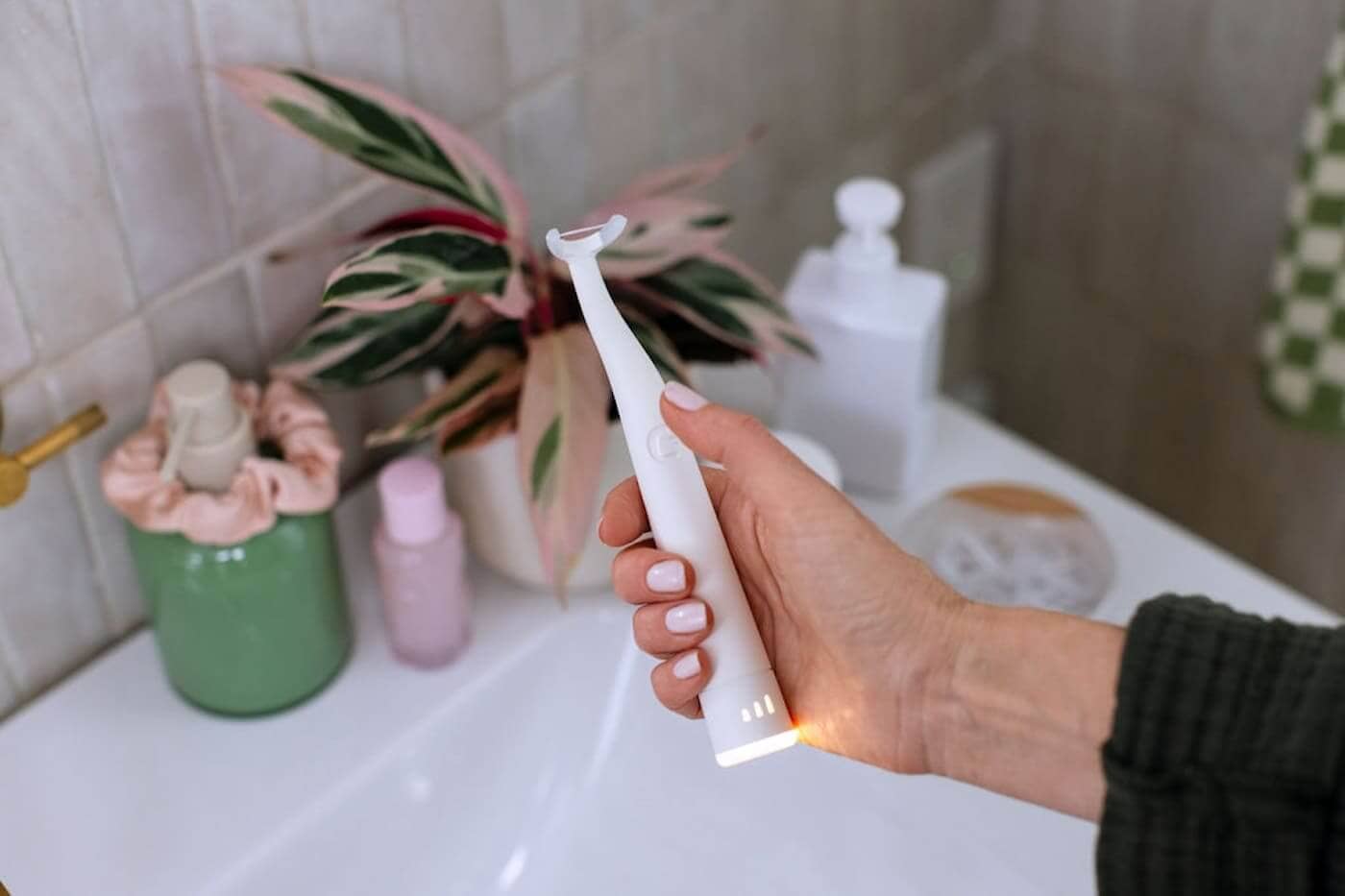
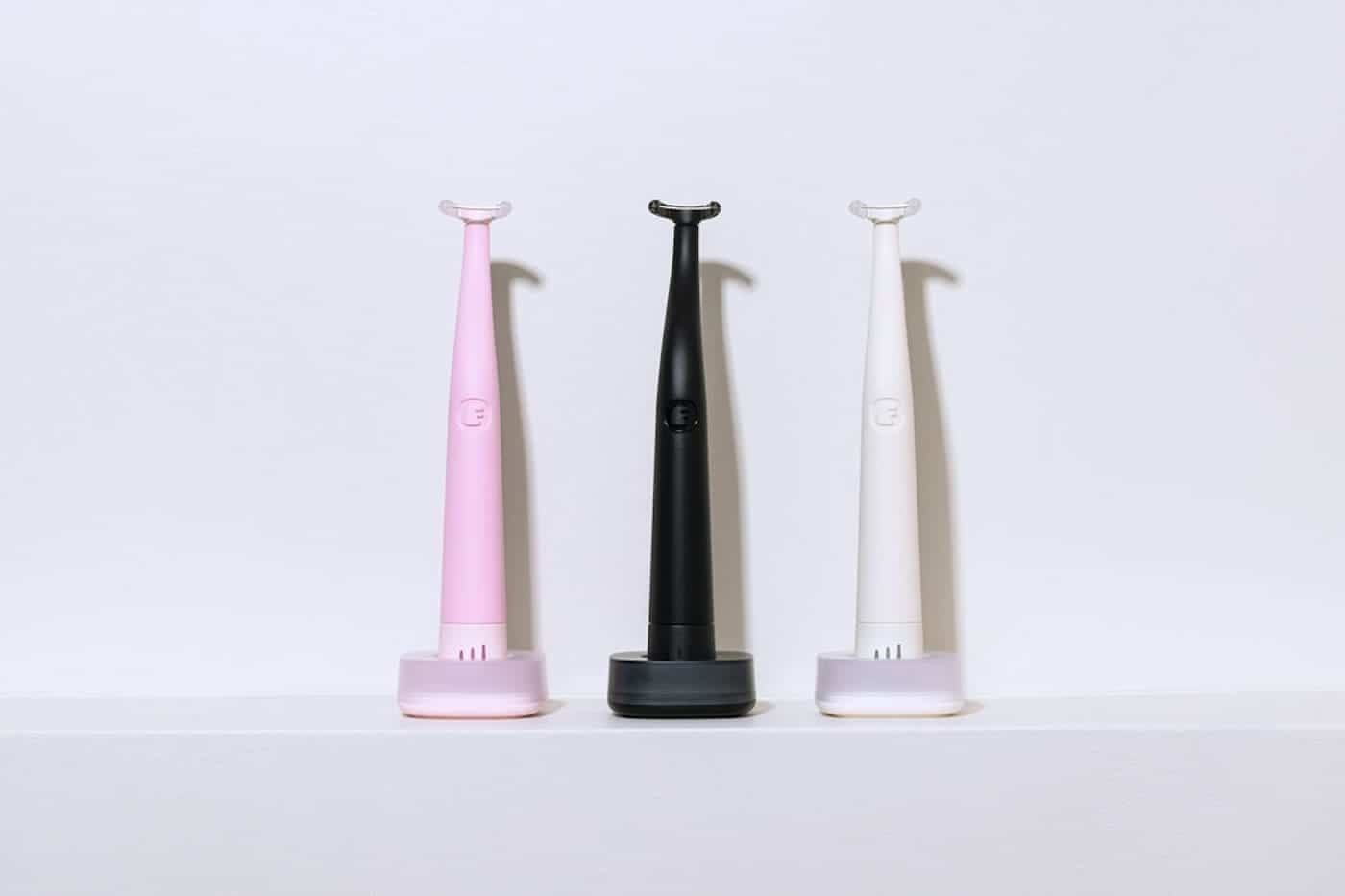
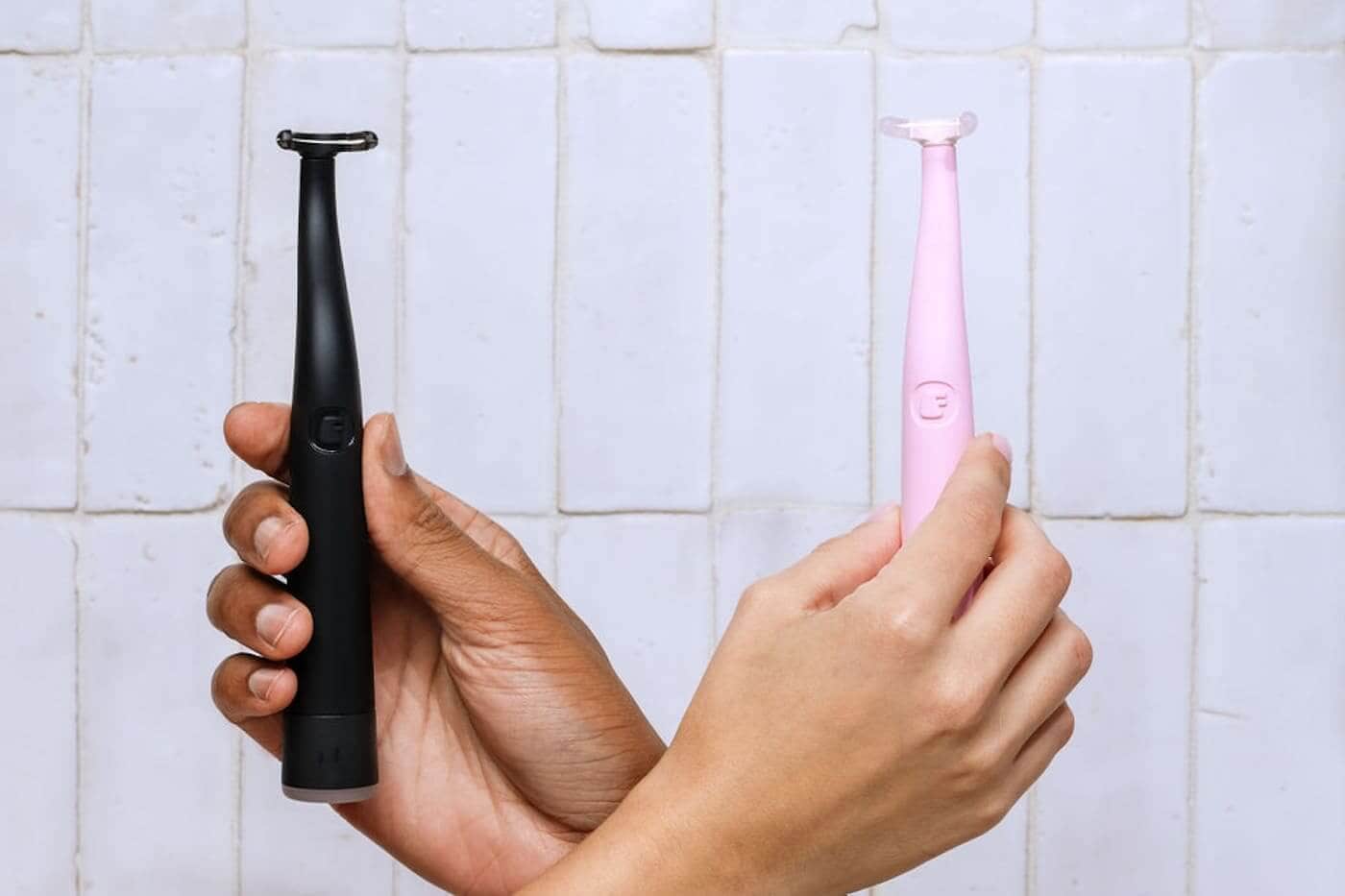
The Flaus electric flosser helps tight teeth with its 18,000 sonic vibrations, which create a high-frequency micro-motion that gently works the floss into tight spaces without forcing or snapping.
Flaus also offers two refill head types — ultra-thin PTFE glide floss heads and extra-strong woven floss heads — so you can match the solution to your specific teeth, whether your challenge is sensitivity, shredding, or extremely tight contacts.
No other electric flosser offers this level of adaptability backed by clinical data.
Why is flossing with tight teeth so difficult?
Flossing with tight teeth is difficult because the minimal space between teeth can cause the floss to shred, get stuck, or require excessive force to insert. This can lead to pain, gum irritation, and frustration, causing many people with tight contacts to avoid flossing altogether.
"Tight teeth," or tight interproximal contacts, is a common dental anomaly where adjacent teeth are spaced very closely together. For individuals with this condition, daily flossing can feel like a battle.
The main challenges include:
Shredding and Breaking: Standard nylon floss can easily catch on the tight contact point and shred, leaving frustrating fibers stuck between your teeth.
The "Snap" Effect: Forcing floss through a tight space often causes it to "snap" down onto the gum tissue (papilla), which can be painful and cause irritation or bleeding.
Frustration and Avoidance: The combination of difficulty, discomfort, and broken floss leads many people to give up on flossing those areas, or stop flossing entirely.
Unfortunately, these hard-to-clean areas are precisely where plaque buildup is most likely to cause interproximal cavities and gum disease. This makes finding an effective and comfortable cleaning solution essential.
How does the Flaus electric flosser solve this problem?
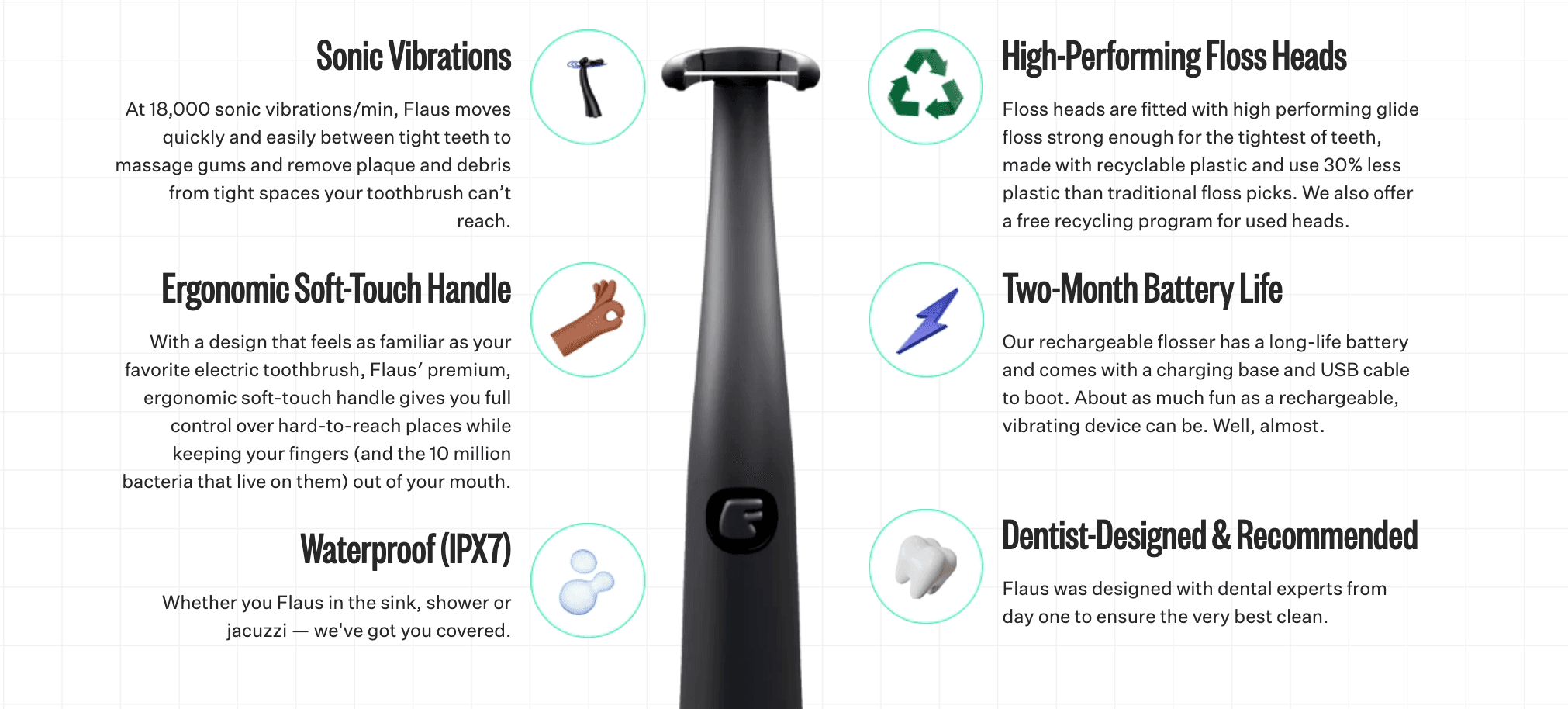
The Flaus electric flosser is specifically designed to overcome the challenges of tight teeth by combining two key technologies. The 18,000 sonic vibrations create a high-frequency micro-motion that gently works the floss into tight spaces, while the refill heads use a thin, ultra-strong, shred-resistant glide floss.
The effectiveness of Flaus for tight teeth stems from a synergistic design that directly addresses the two main failure points of manual flossing in this situation: technique and material.
The Power of Vibration (The Technique): Instead of relying on brute force, the Flaus device uses up to 18,000 sonic vibrations per minute to create a gentle but rapid "sawing" action. This high-frequency movement allows the floss to navigate the tightest contact points with minimal downward pressure from the user. This eliminates the painful "snap" and makes the process feel gentle and controlled.
The Superiority of Glide Floss (The Material): The Flaus refill heads are equipped with PolyTetraFluoroEthylene (PTFE) monofilament tape floss. This is a type of "glide floss," a category of floss widely recommended by dental professionals for tight teeth because it is exceptionally smooth and strong. It is engineered to slide through tight spaces without fraying or shredding, unlike traditional waxed or unwaxed nylon floss.
By combining the right motion with the right material, the Flaus electric flosser automates best-practice flossing for tight teeth, eliminating user error and making a difficult task simple and pain-free.
What is the best technique for using Flaus with tight teeth?
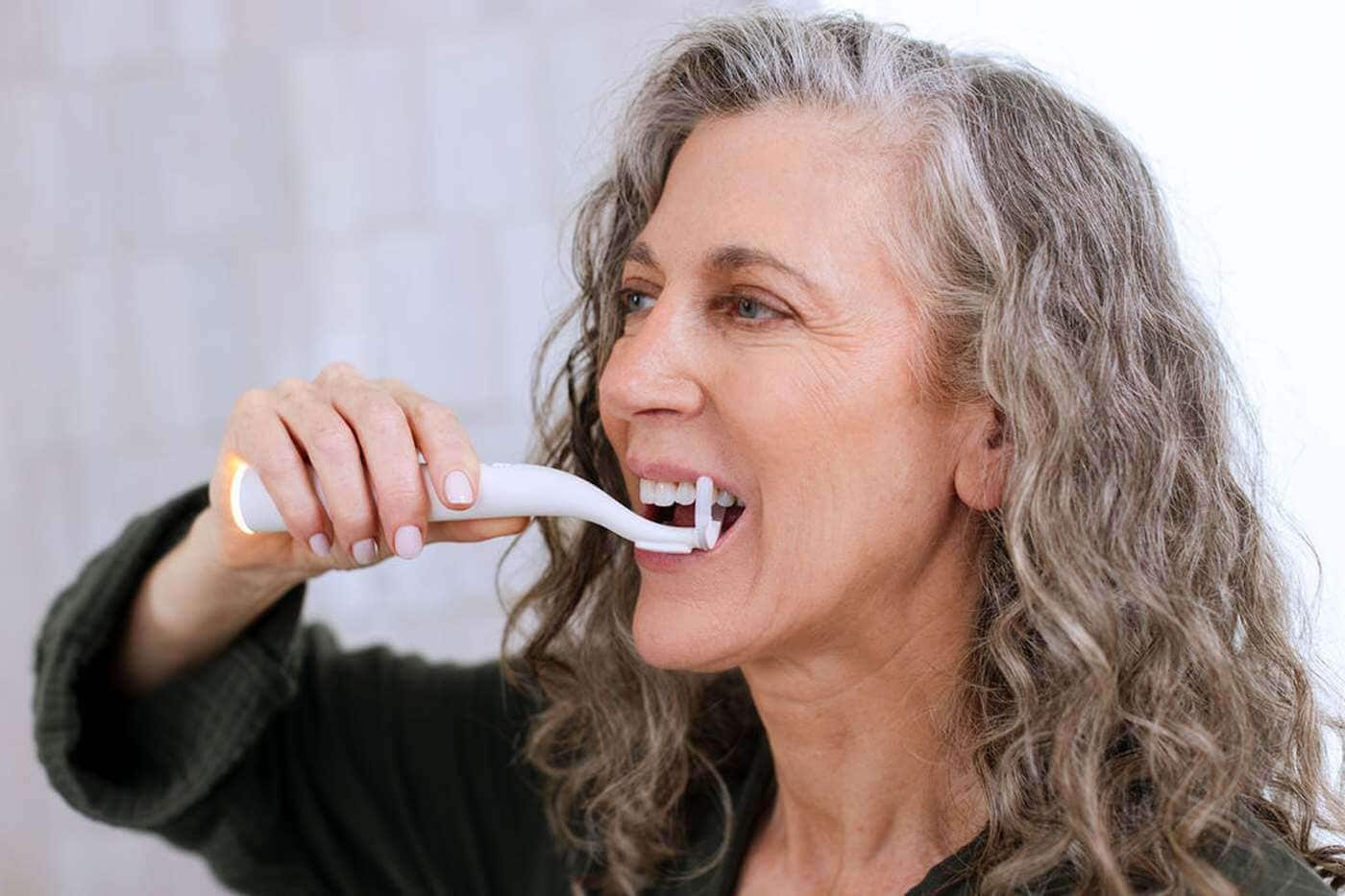
When using Flaus with tight teeth, let the sonic vibrations do the work. Start at a higher speed setting, rest the floss at the contact point between the teeth, and let the vibrations gently guide the floss through. Use the bite pad on the back of the device for extra control and avoid forcing it.
To get the best results on your tightest spots, follow these tips from Flaus experts and experienced users :
Save the Tightest for Last: Work your way around your mouth and tackle the most challenging spots at the end.
Increase the Speed: Don't be afraid to use the higher speed settings. The increased frequency of vibrations can be more effective at navigating tight contacts.
Be Patient, Don't Force It: This is the most important rule. Rest the floss on the top of the contact point and give the sonic vibrations a moment to work their way through. Pushing down hard is counterproductive.
Use the Bite Pad: For extra control and gentle pressure, place your opposing teeth on the rubber bite pad located on the back of the device's head. This allows you to apply a steady, controlled force as you guide the floss.
Which Flaus floss head is right for your tight teeth?
One of Flaus's most underrated advantages for tight teeth: you can choose your floss. Flaus offers two types of refill heads, and which one works best depends on how your teeth respond to flossing.
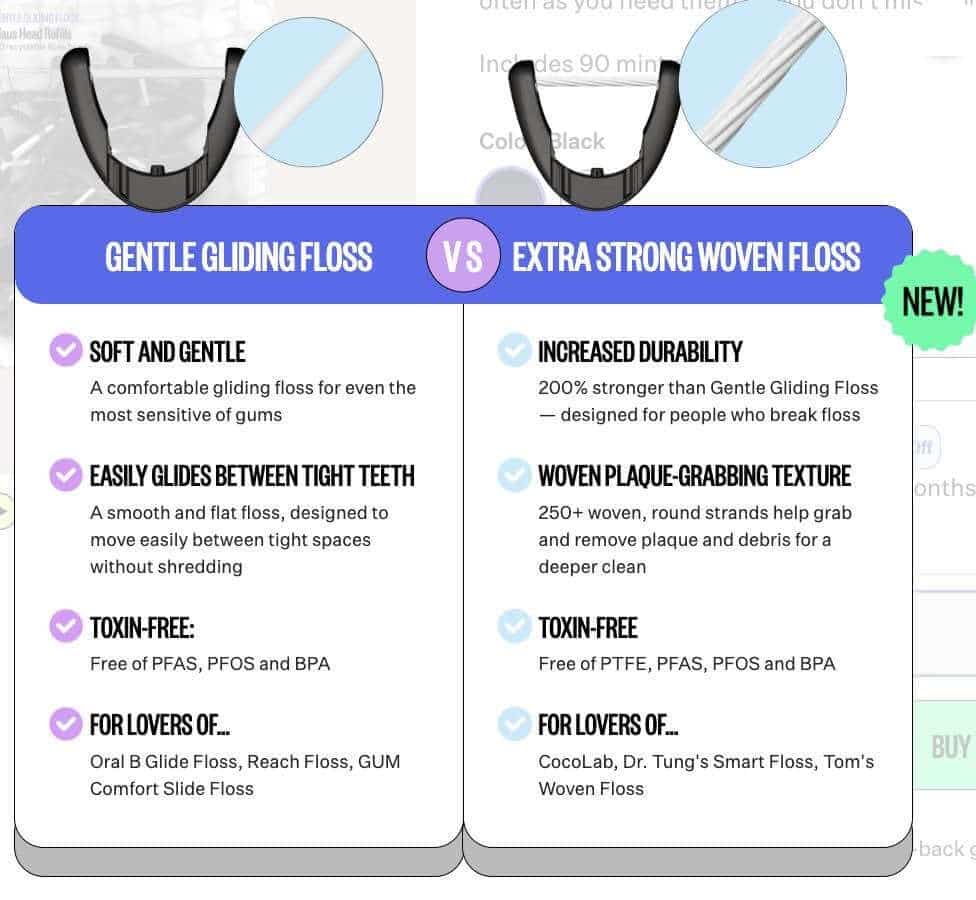
Gentle Gliding Floss Heads (standard)
These are the go-to for most tight-teeth situations. The thin, PTFE monofilament floss is designed to glide smoothly between tight spaces without shredding or snapping. It's soft on gums, comfortable even for sensitivity, and ideal if your main challenge is resistance or discomfort when flossing.
If you've liked brands like Oral-B Glide, Reach Floss, or GUM Comfort Slide, you'll feel at home with these.
Extra Strong Woven Floss Heads
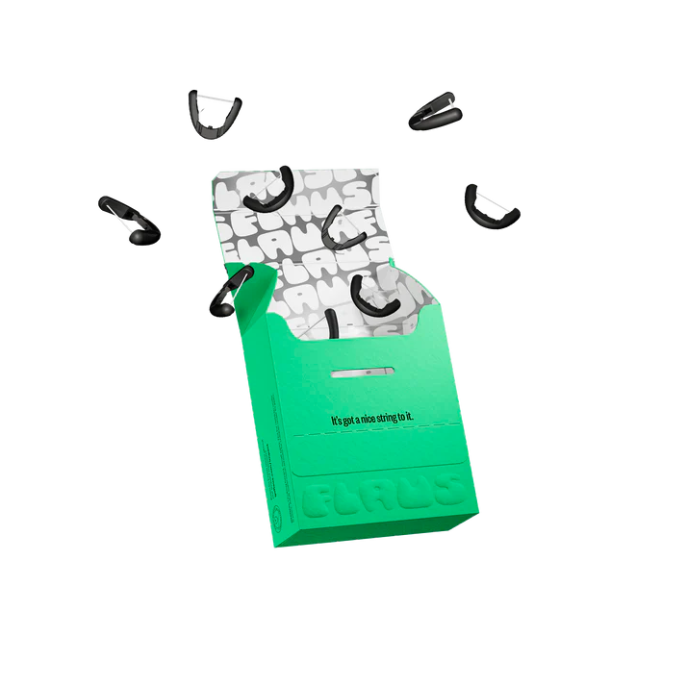
For people who regularly break or shred floss, the Woven heads are the answer. They're 200% stronger than the Gentle Gliding heads and use 250+ woven, round strands that are built to handle the most stubborn tight contacts. Those same strands also grab and remove plaque more aggressively, so you get a deeper clean.
They're toxin-free (PTFE-, PFAS-, PFOS-, and BPA-free) and designed for flossers who've given up on other products because nothing holds up.
If you're coming from brands like CocoLab, Dr. Tung's Smart Floss, or Tom's Woven Floss, these are your match.
Both head types work with the same Flaus handle, so you can mix and match based on what your mouth needs.
When should you see a dentist about tight teeth?
While Flaus can make flossing tight teeth much easier, you should see a dentist if you consistently cannot get floss between certain teeth, if flossing causes sharp pain, or if you notice a change in how your teeth fit together. These could be signs of an underlying issue, such as a shifting tooth or a problem with a filling or crown.
It's important to distinguish between naturally tight teeth and a dental issue. Be sure to schedule a dental visit if you experience any of the following:
A new filling or crown feels too tight, shredding floss where it didn't before.
A specific spot becomes impossible to floss, which could indicate a cavity is forming or a tooth is shifting.
You experience sharp pain when flossing, rather than mild gum sensitivity.
Regular dental check-ups are important for everyone, especially if you have tight teeth, as your dentist can monitor these areas for any signs of trouble and provide personalized advice.
Explore Flaus products today to support tight teeth.
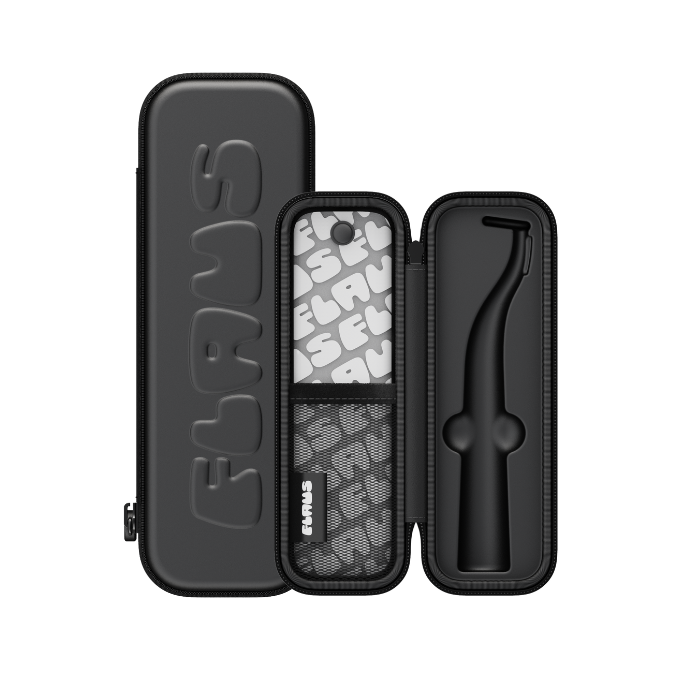
Electric Flosser Starter Kit
$99.00
$119.00
Featured in Oprah's Favorite Things 2025! ✨ Makes flossing as quick, easy and comfortable as brushing your teeth. Designed and backed by dental experts, for your pearly whites. Give the gift of Good Oral™. Includes Reusable electric flosser 45 mint… read more

FAQs
Will the Flaus floss head break if my teeth are too tight?
While it's possible for floss to break in extremely tight spots, the PTFE glide floss used in Flaus heads is designed to be exceptionally strong and shred-resistant. Using the proper technique (patience, high speed, no force) will minimize the chances of breakage.
Is glide floss safe?
Yes. The PTFE floss used in Flaus heads is PFA- and PFO-free and is a safe, effective material widely used in the dental industry for its strength and smooth texture.
Can Flaus create a gap between my teeth?
No. Proper flossing with any tool, including Flaus, does not create gaps between teeth. It simply cleans the existing space. If you notice new gaps forming, consult your dentist, as this could be a sign of gum disease.